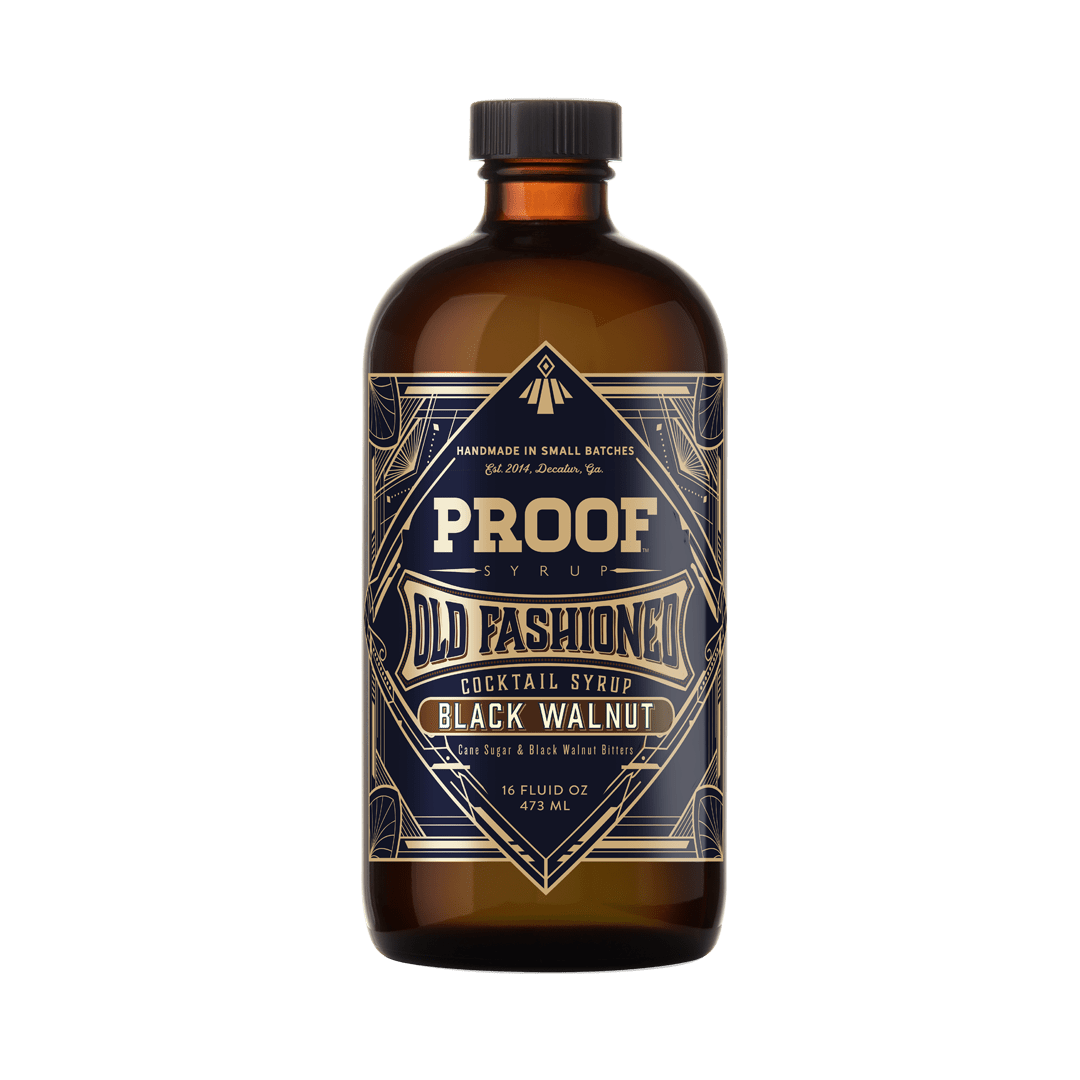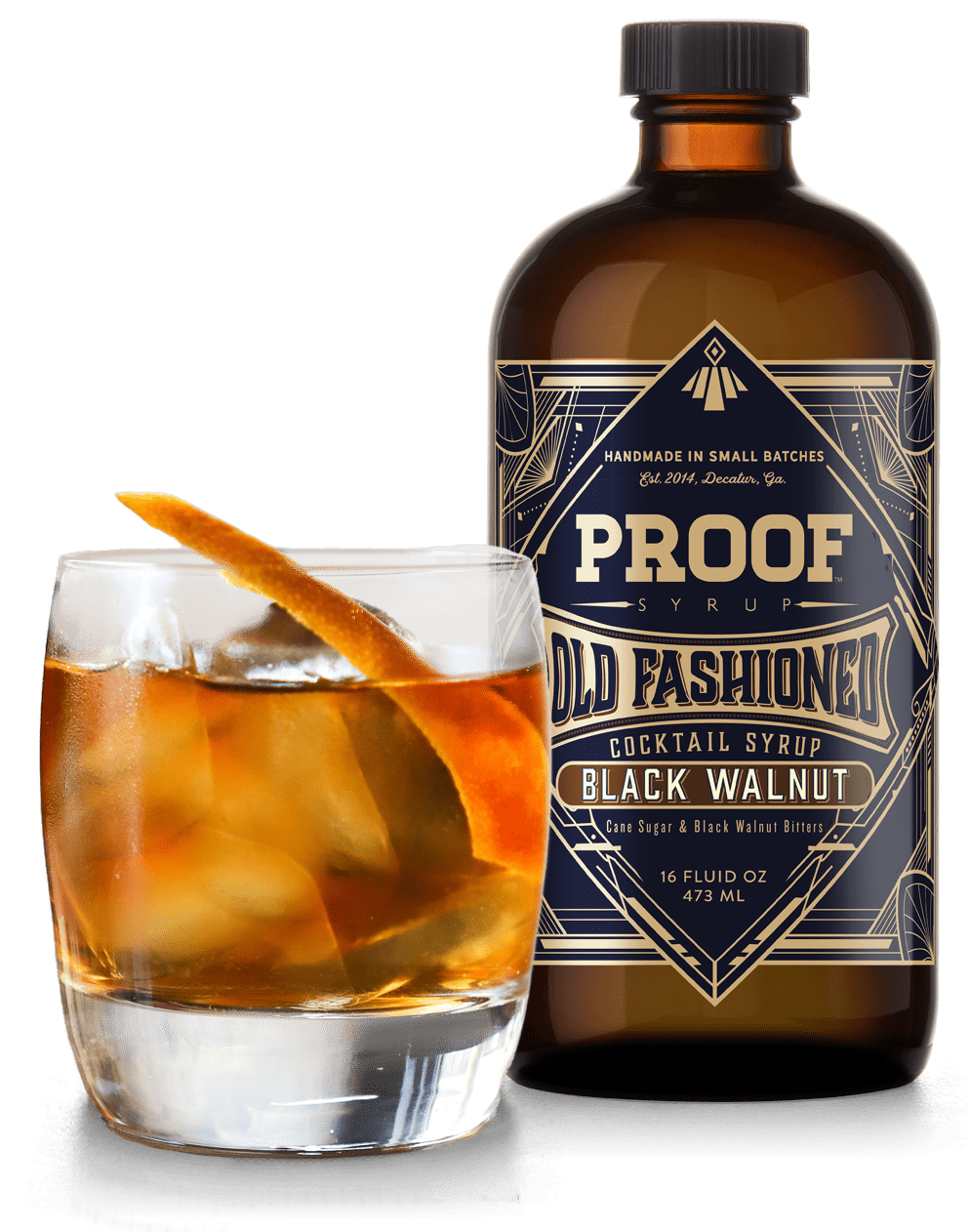

The most common way to wreck a Sazerac is to treat the absinthe like an ingredient instead of a coat of paint. Free-pour a quarter ounce into the glass and the drink tastes like licorice with rye somewhere behind it. The second most common way is dropping in a sugar cube and hoping it dissolves, which it will not, not in a stirred drink that never sees more than thirty seconds of ice. Rinse the glass and dump the excess, and use a sweetener that goes in already liquid. Traditional Old Fashioned Syrup handles the second half of that on its own.
New Orleans has been arguing about this drink since the middle of the nineteenth century, and the argument has mostly been about rye versus cognac. That is a fine debate to have over the second round. The thing worth settling first is technique, because a Sazerac is a spirit-forward drink with nowhere to hide. Four ingredients, no citrus juice, no shaking. Everything you do wrong stays in the glass.
What makes a great Sazerac
Start with rye. The classic New Orleans build leans on rye specifically because its dry, peppery edge stands up to Peychaud's bitters, which are floral and faintly medicinal in a way bourbon tends to blur. A hundred-proof rye is not overkill here. The drink is almost entirely spirit, so a softer bottle will read as watery once the ice has done its work.
The absinthe is aromatic, not structural. You are coating the inside of a chilled glass and pouring out whatever does not stick. What is left is maybe two or three drops, and that is the correct amount. It sits under the rye and gives the whole thing a cool, herbal lift.
Peychaud's is non-negotiable in the sense that nothing else tastes like it. Anise, cherry, a little bitterness, and that unmistakable red color. Three or four dashes.
Which brings you to the sweetener slot, and in a drink this bare it does more work than in almost any other classic. There is no citrus juice and no vermouth to buffer anything, so the syrup is the only thing standing between you and straight rye with bitters in it. It has to dissolve instantly, because you get one short stir. It has to add body, because there is nothing else contributing texture. And it cannot taste like candy, because the drink has no acid to balance it out. A sugar cube muddled against the side of a mixing glass fails the first test almost every time, which is why half-dissolved grit at the bottom is such a common souvenir of a homemade Sazerac. A cooked syrup goes in liquid and integrates on the first turn of the spoon.
Sazerac recipe
Makes one drink. Served neat, no ice in the glass.
Ingredients
- 2 oz rye whiskey, ideally 100 proof
- 1/4 oz Traditional Old Fashioned Syrup
- 3 to 4 dashes Peychaud's bitters
- Absinthe, for rinsing the glass
- Wide strip of lemon peel
Instructions
- Chill a rocks glass. Fill it with ice and water and set it aside while you build the drink.
- In a mixing glass, combine the rye, the syrup, and the bitters. Add ice and stir for about twenty seconds.
- Dump the ice and water out of the rocks glass. Add a small pour of absinthe, roll it around to coat the inside, and discard what is left.
- Strain the stirred drink into the rinsed glass. No ice goes in.
- Express the lemon peel over the surface, rub it around the rim, and either drop it in or discard it. New Orleans is split on that point and always has been.
Twenty seconds of stirring is the number to remember. Under-stir and the drink is hot and disjointed. Over-stir and you have watered down the only thing in the glass. If you are new to reading a stirred drink by feel, our notes on syrup ratios in an old fashioned cover the same territory from a different angle.
One thing to be clear about: this is the cocktail, not a bottled product. There is no shortcut syrup for it. You build it the way it has been built for a hundred and fifty years, with good rye and a sweetener that behaves.
Why the sweetener matters
Proof is cooked in small batches with raw cane sugar, and in a Sazerac that choice is unusually easy to taste. Raw cane sugar keeps a trace of molasses, which gives the drink a low, rounded note underneath the rye instead of a flat sweet layer sitting on top of it. Refined sugar just raises the sugar level. This adds a floor.
Body is the other half. A Sazerac is two and a quarter ounces of liquid before dilution, and it is served without ice, so there is nothing to distract from thin texture. A syrup cooked to the right viscosity gives the drink weight across the middle of the palate, the stretch where an under-built Sazerac goes hollow and you taste alcohol on its own.
Then there is the finish. Because the syrup is not scorched, it clears out cleanly and leaves the rye and the Peychaud's as the last thing you taste. A burnt or overly sweet syrup lingers and fights the absinthe, which is a bad trade when the absinthe is already working with only three drops.
Sazerac variations
Purists will tell you there is only one way to make this drink. They are not entirely wrong, but the syrup is the one slot where a swap changes the drink without breaking it.
Black Walnut Sazerac
Ingredients
- 2 oz rye whiskey
- 1/4 oz Black Walnut Syrup
- 3 dashes Peychaud's bitters
- Absinthe rinse, lemon peel
Best for: drinkers who want the drink darker and a little more autumnal. The walnut sits under the anise instead of competing with it, and it gives the finish somewhere to go.
Orange Sazerac
Ingredients
- 2 oz rye whiskey
- 1/4 oz Orange Syrup
- 3 dashes Peychaud's bitters
- Absinthe rinse, orange peel instead of lemon
Best for: anyone who finds the standard build too austere. Orange and anise are old friends, and switching the peel to match pushes the whole drink brighter without adding sweetness.
Maple Bacon Sazerac
Ingredients
- 2 oz rye whiskey
- 1/4 oz Maple Bacon Syrup
- 2 dashes Peychaud's bitters
- Absinthe rinse, lemon peel
Best for: the last drink of the night, or a brunch that has gone off the rails in a good direction. Cut the bitters back by a dash so the savory edge has room. This one is a genuine departure and it knows it.
Sazeracs for a table
Ingredients
- 8 oz rye whiskey
- 1 oz Traditional Old Fashioned Syrup, 8 oz bottle
- 14 dashes Peychaud's bitters
- 2 oz cold water
- Absinthe rinse and lemon peel, per glass
Best for: four people who all want the same thing. Combine everything but the absinthe and peel, stir, and hold it in the freezer. The water stands in for the dilution you would have gotten from stirring each one.
Technique tips
Rinse, then dump
Pour in maybe a quarter ounce of absinthe, tilt and rotate the glass until the inside is coated, and pour the rest out. If you can see absinthe pooling at the bottom when you are done, you left too much in.
Chill the glass properly
Ice and water beats ice alone, and both beat sticking the glass in the freezer for two minutes. The Sazerac is served without ice, so the glass is the only cold thing keeping it together. A warm glass turns it soupy within five minutes. Our guide to which glass to use and when gets into why the shape matters too.
Use big, clear ice to stir
Small, wet, cloudy ice melts fast and dilutes unevenly, and you will feel it in a drink this exposed. Two or three large cubes in the mixing glass give you control over where the dilution stops.
Express the peel over the surface
Hold the peel skin-side down a couple of inches above the drink and pinch it. You want the oil on the surface of the liquid, not on the outside of the glass. That spray is most of what you smell on the first sip.
Stock the bar for it
A good rye and a good syrup will carry you through the Sazerac, the old fashioned, and most of what sits between them. If you want to run a few flavors side by side before you commit to a house pour, the old fashioned syrups collection is the place to start. And if the rye has you curious about the neighboring classics, the boulevardier is the next one to learn.