
Most hot toddies get ruined in the first ten seconds. Someone boils a kettle, pours water straight off the boil over whiskey and a spoonful of honey, and hands over a mug that smells like hot alcohol and tastes like weak tea. Boiling water scorches the spirit and drives off the aromatics you paid for, and the honey sits in a stubborn clump at the bottom. The fix is not a longer ingredient list. Back the water off the boil, keep the citrus fresh, and use a sweetener that dissolves on contact and brings flavor of its own. Traditional Old Fashioned Syrup does both jobs at once.
The hot toddy is one of the oldest whiskey drinks in circulation, and it survived because it works. Warm liquid throws aroma faster than cold liquid does, which is why a good toddy fills the room before anyone takes a sip. That also means every flaw shows up louder. A cold cocktail can hide a mediocre sweetener behind ice and dilution. A hot one cannot hide anything.
What makes a great hot toddy
There are four moving parts: whiskey, hot water, citrus, and the sweetener. The whiskey is the easy call. Bourbon gives you the softer, rounder version; rye gives you a drier one with more spine. Neither needs to be expensive, because heat and dilution will flatten out most of what a top-shelf bottle is charging you for. If you want to go deeper on bottle selection, the same logic we walk through in choosing a bourbon for an old fashioned applies here.
Water is the ingredient nobody respects. It is more than half the drink by volume, and its temperature decides whether you are drinking whiskey or whiskey fumes. Citrus is straightforward: fresh lemon, squeezed within a few minutes of serving. The bottled stuff tastes like a cough drop once it warms up.
That leaves the sweetener slot, which is where the drink is actually won or lost. It is the only component that touches every other one. It softens the alcohol, it rounds off the lemon, and it gives the water something to hold onto so the drink has texture instead of just temperature. Honey is traditional but it is also a lump of sugar that needs to be dissolved, and half the time it never fully does. Granulated sugar is worse. A proper syrup goes in liquid, disperses immediately, and carries flavor that survives the heat. Get that slot right and the toddy holds together from the first sip to the last, even as it cools. Get it wrong and you are drinking hot lemon water with a whiskey problem.
Hot toddy recipe
Makes one drink. Total time is about three minutes, most of it waiting on the kettle.
Ingredients
- 2 oz bourbon or rye whiskey
- 1/2 oz Traditional Old Fashioned Syrup
- 1/2 oz fresh lemon juice
- 4 oz hot water, around 170F
- Lemon wheel and a cinnamon stick, for garnish
Instructions
- Fill your mug with hot tap water and let it sit while you work. A cold mug will pull twenty degrees out of the drink before you hand it over.
- Heat fresh water to about 170F. If you do not own a thermometer, bring it to a boil, kill the heat, and wait ninety seconds.
- Dump the mug. Add the syrup and the lemon juice and give them a quick stir so they combine before anything else goes in.
- Add the whiskey, then the hot water. Stir once, gently. You are combining, not aerating.
- Float the lemon wheel, drop in the cinnamon stick, and serve it while it is still steaming.
If it tastes thin, you need a touch more syrup, not more whiskey. If it tastes sharp, pull the lemon back to a third of an ounce. Our breakdown of how much syrup belongs in an old fashioned covers the same calibration habit, and it transfers cleanly to a toddy.
Why the sweetener matters
Proof is made with raw cane sugar, cooked in small batches, and that shows up in a hot drink more than a cold one. Raw cane sugar carries a faint molasses character that reads as depth rather than sweetness, and heat brings it forward instead of burning it off. Refined white sugar gives you sweetness and nothing else. In a toddy, nothing else is exactly what you taste.
The other half of it is body. A syrup cooked to the right viscosity gives the drink weight on the tongue, which matters when four of your seven ounces are plain water. Without it the toddy goes watery the moment it drops below serving temperature. With it, the drink stays coherent all the way down to lukewarm, which is where most toddies actually get finished.
And it finishes clean. Small-batch cooking means the sugar is not scorched, so there is no burnt edge hanging around after the swallow. That is the difference between a second toddy and one that sits on the counter.
Hot toddy variations
The base recipe is a frame, not a rule. Swap the syrup and you change the entire character of the drink without touching the technique.
Black Walnut Toddy
Ingredients
- 2 oz bourbon
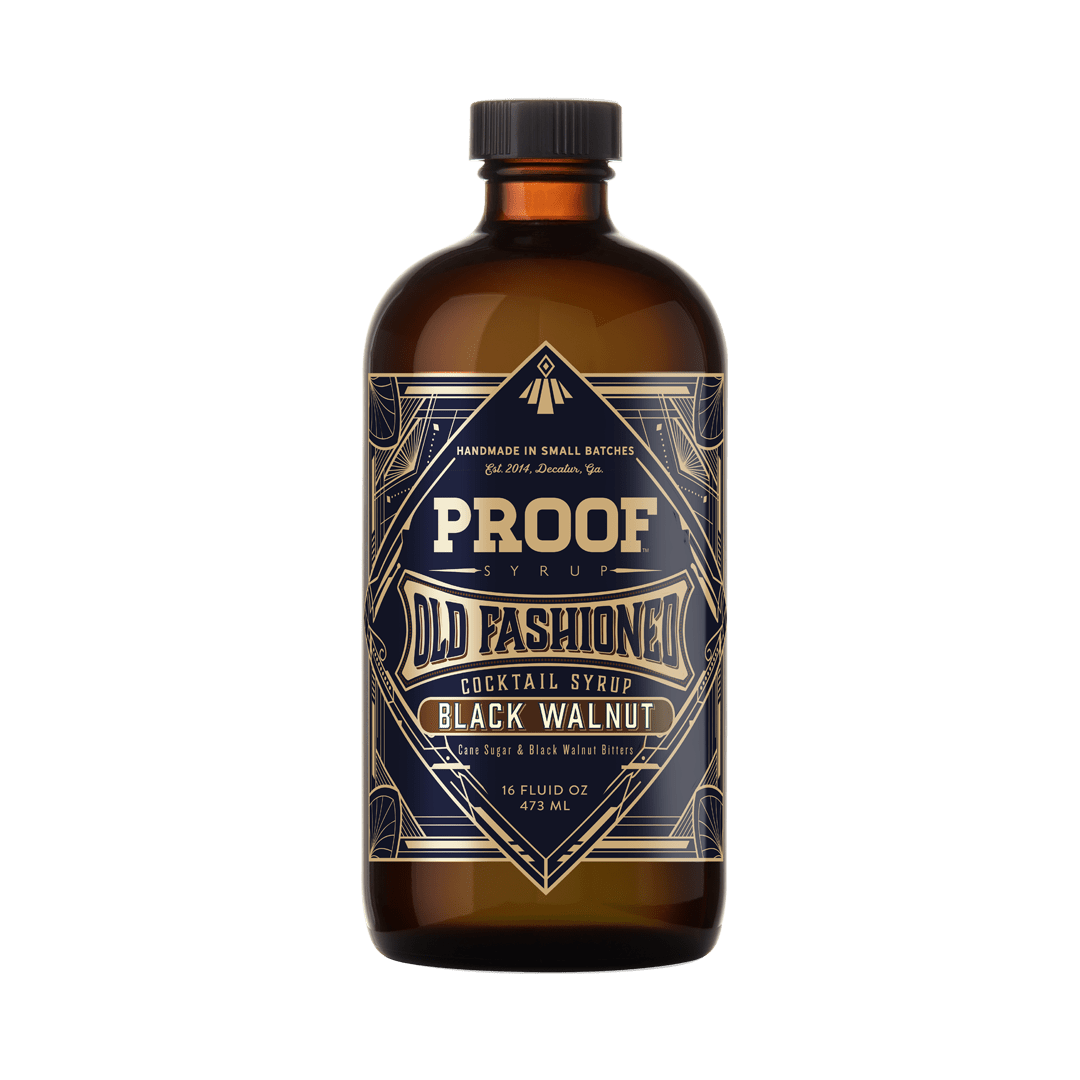
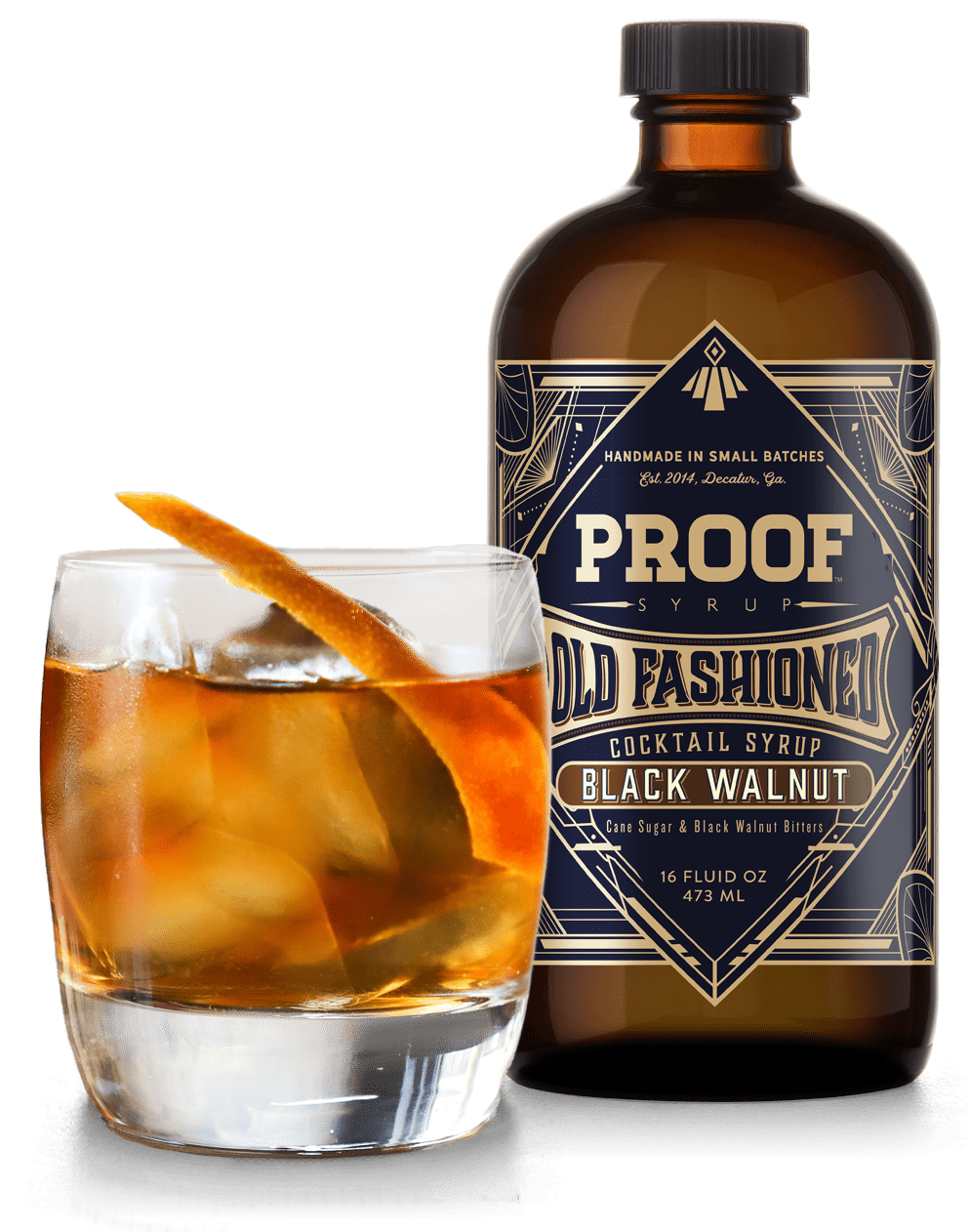
- 1/2 oz Black Walnut Syrup
- 1/2 oz fresh lemon juice
- 4 oz hot water, around 170F
Best for: cold houses and late nights, when you want something that tastes like dessert without actually being sweet. The nuttiness gets noticeably rounder under heat. If you like it here, try it cold in a black walnut old fashioned.
Maple Bacon Toddy
Ingredients
- 2 oz bourbon
- 1/2 oz Maple Bacon Syrup
- 1/3 oz fresh lemon juice
- 4 oz hot water, around 170F
Best for: brunch, deer camp, and the first hour after shoveling a driveway. Pull the lemon back a little so the savory side has room to register.
Orange Toddy
Ingredients
- 2 oz rye whiskey
- 1/2 oz Orange Syrup
- 1/3 oz fresh lemon juice
- 4 oz hot black tea
Best for: anyone who finds straight lemon too sharp. Swapping the water for black tea adds tannin, and the orange bridges the tea and the rye better than lemon alone does.
Traditional Toddy, batched for a crowd
Ingredients
- 8 oz bourbon
- 2 oz Traditional Old Fashioned Syrup, 8 oz bottle
- 2 oz fresh lemon juice
- 16 oz hot water
Best for: holidays and porch nights with more than two people. Combine the whiskey, syrup, and lemon in a warmed pitcher, add the hot water last, and let people pour their own.
Technique tips
Warm the mug first
This is the cheapest improvement available. A room-temperature ceramic mug is a heat sink. Sixty seconds of hot tap water sitting in it buys you several extra minutes of drinkable temperature.
Watch the water, not the clock
Anything above 180F starts stripping the volatile compounds out of the whiskey. Around 170F you keep the aroma and still get real warmth. If the surface of the water is rolling, you are too hot.
Squeeze the lemon to order
Lemon juice starts going dull within an hour and tastes flatly bitter by the next day. One lemon covers about four drinks. Cut it when you need it.
Go easy on the spice
A cinnamon stick and maybe a clove is plenty. Star anise, allspice, and nutmeg all at once turns the drink into mulled cider with whiskey in it, and the whiskey stops mattering. Restraint here reads as confidence.
Build a better toddy shelf
One bottle of syrup covers the base recipe and every variation above, and it does the same work in a cold glass once the weather turns. If you want to run through a few flavors before you settle on a house pour, start with the old fashioned syrups collection and pick two. Looking for more cold-weather drinking, our roundup of fall cocktails picks up where this one leaves off.