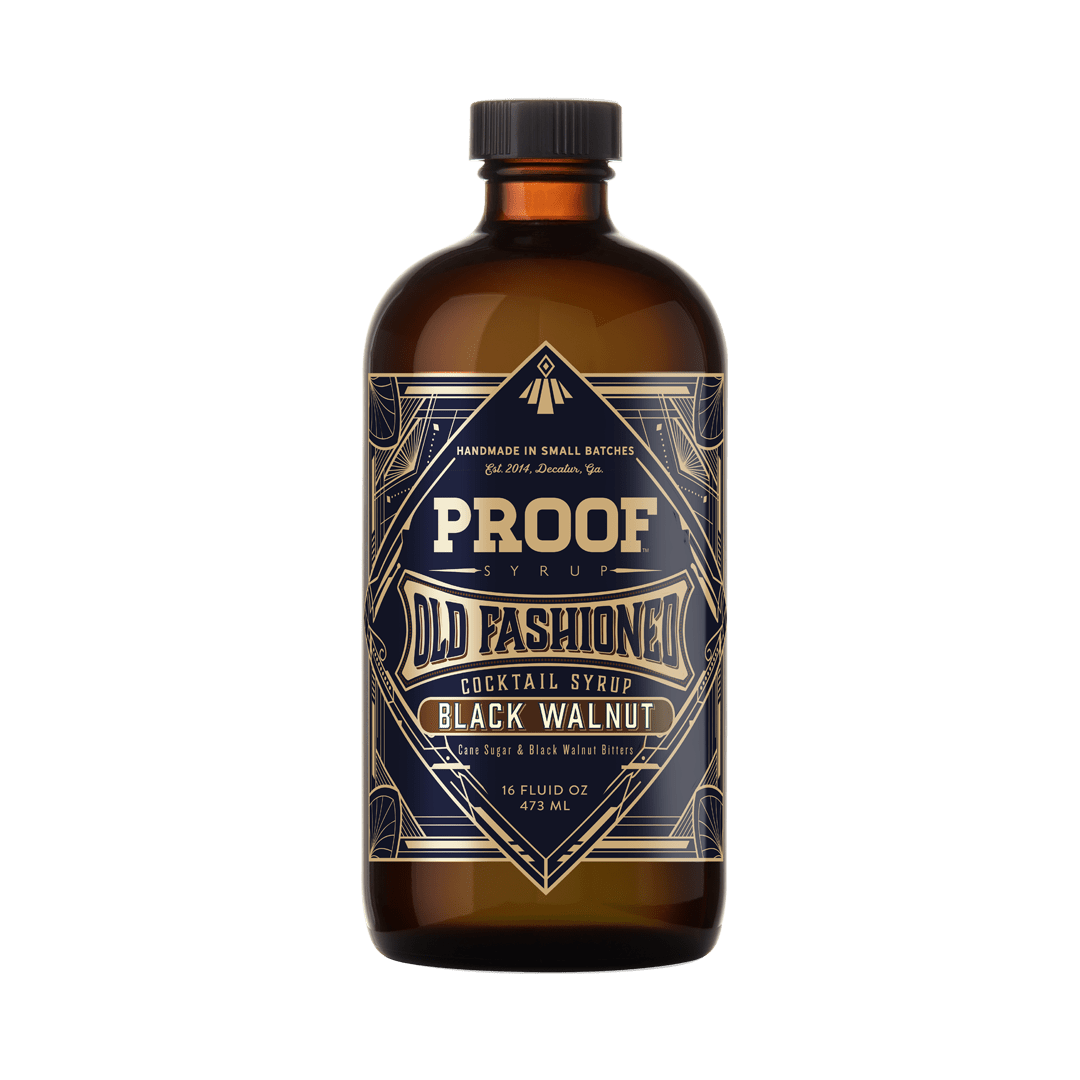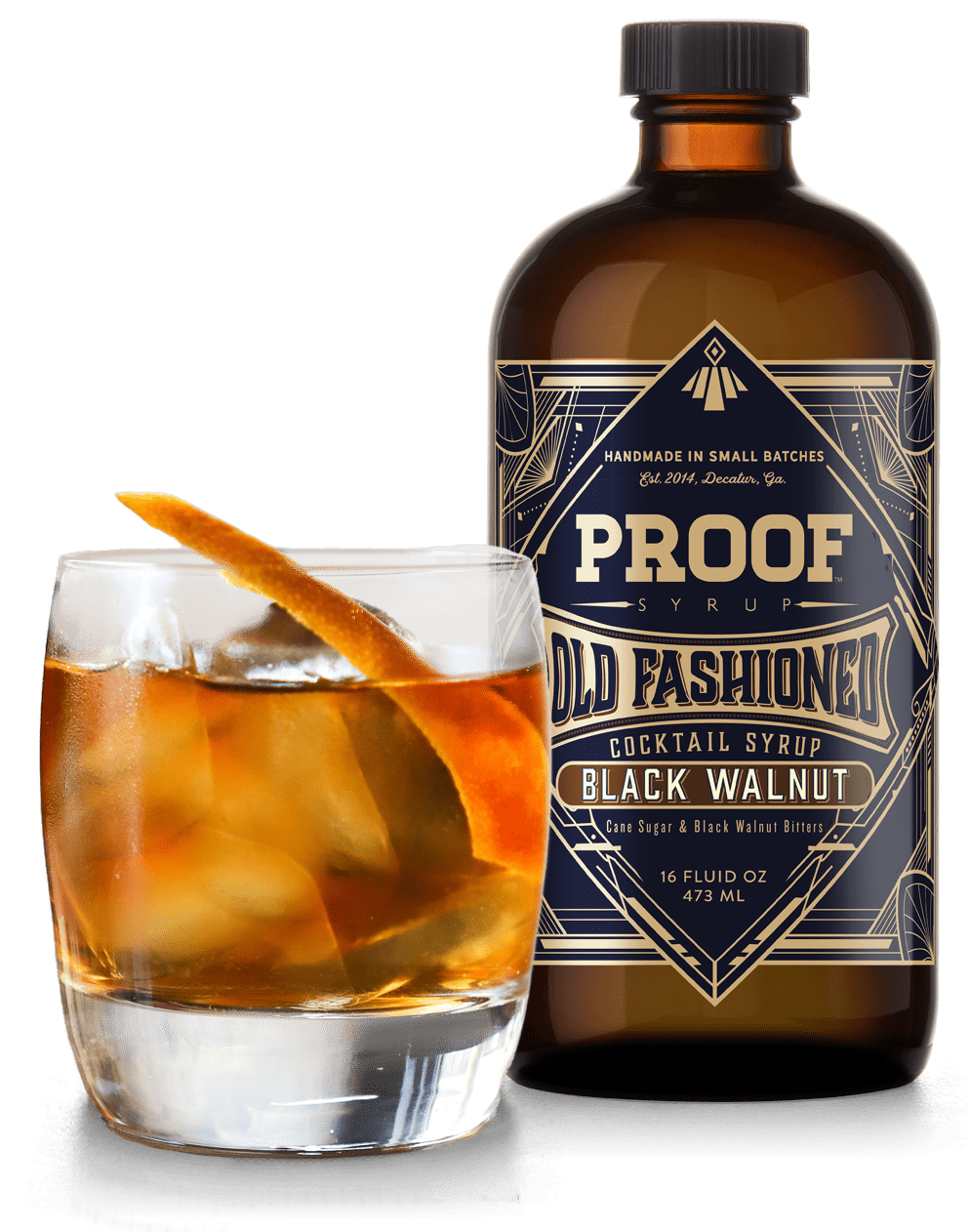

The Vieux Carré has six ingredients, and that is exactly why people get it wrong. The usual mistake is treating it as a dump-and-stir, pouring everything in with equal enthusiasm and ending up with a brown, sticky drink where nothing is identifiable. The other failure is open vermouth that has been sitting on a shelf since spring, which turns the whole thing flat and vaguely sour. Get the proportions honest, keep the vermouth cold and fresh, and give the drink a small, controlled dose of sweetness from something that dissolves clean. A quarter ounce of Traditional Old Fashioned Syrup is usually all it takes.
The drink was built at the Hotel Monteleone in the French Quarter in the 1930s, and the name just means old square. It reads like a Manhattan that moved to New Orleans and picked up habits. There is more going on in it than in almost any other classic still in regular rotation, which makes it satisfying to get right and genuinely frustrating to guess at.
What makes a great Vieux Carre
The spine of the drink is the equal-parts trio: rye, cognac, and sweet vermouth. Rye brings the pepper and the structure. Cognac brings fruit and a rounder texture, which is the part that separates this from a Manhattan. Sweet vermouth ties them together and adds the herbal, slightly bitter undertone that keeps the drink from reading as dessert. Use a vermouth you would drink on its own over ice, and keep the bottle in the refrigerator once it is open. Vermouth is wine. It goes off.
Benedictine is the wild card. It is a honeyed herbal liqueur, and a barspoon of it does more than you expect. Too much and the drink turns syrupy and medicinal. The two bitters, Peychaud's and Angostura, work as a pair. Peychaud's pushes the anise and cherry side, Angostura pushes the baking spice side, and dropping either one flattens the drink noticeably.
That leaves the sweetener slot, which in this drink is a shared job. Vermouth and Benedictine both carry sugar, but neither is a reliable sweetener because both are also doing flavor work. Lean on the Benedictine for sweetness and you get a drink that tastes like cough syrup. Lean on the vermouth and you throw off the balance of the trio. What you actually want is a small amount of clean sweetness you control independently, which is where a cooked syrup earns its place. A scant quarter ounce lets you dial the drink in without touching anything else, and it gives the finish a weight that the liqueurs alone do not deliver. It is the one component that lets the other five stay where they belong.
Vieux Carre recipe
Makes one drink. Stirred, served over one large cube.
Ingredients
- 1 oz rye whiskey
- 1 oz cognac
- 1 oz sweet vermouth
- 1 barspoon Benedictine
- 1/4 oz Traditional Old Fashioned Syrup
- 2 dashes Peychaud's bitters
- 2 dashes Angostura bitters
- Lemon peel, for garnish
Instructions
- Put a large clear cube in a rocks glass and set it in the freezer while you build.
- Combine the rye, cognac, vermouth, Benedictine, syrup, and both bitters in a mixing glass.
- Add ice and stir for about twenty-five seconds. You are looking for the outside of the glass to frost over and the liquid to go slightly viscous.
- Strain over the large cube.
- Express a lemon peel over the surface, run it around the rim, and drop it in.
If the drink tastes muddled rather than layered, the Benedictine is almost always the culprit. Cut it to a half barspoon and let the syrup carry the sweetness instead. Our breakdown of how much syrup belongs in an old fashioned uses the same logic: adjust the one component you control cleanly, and leave the rest alone.
Why the sweetener matters
Proof is cooked in small batches with raw cane sugar, and in a drink this crowded that choice does something specific. Raw cane sugar keeps a thread of molasses, which lands underneath the cognac and picks up its fruit instead of sitting on top of it as flat sweetness. Refined sugar in a Vieux Carre just makes a busy drink sweeter. This gives it a floor.
Body is the part you notice on the second sip. Three ounces of spirit plus dilution is a lot of liquid, and without real texture the middle of the drink goes thin right when the bitters are arriving. A syrup cooked to the right viscosity fills that gap, and the drink stays cohesive as the cube slowly opens it up over fifteen or twenty minutes.
The finish is the other reason. Because the sugar is not scorched, it clears out and leaves the rye and the herbal notes as the last thing on the palate. A heavy or burnt sweetener would smear across the Benedictine, and the Benedictine is already the loudest voice in the room.
Vieux Carre variations
The trio is the trio. Leave the rye, cognac, and vermouth alone. The syrup is where you can move the drink without losing the shape of it.
Black Walnut Vieux Carre
Ingredients
- 1 oz rye, 1 oz cognac, 1 oz sweet vermouth
- 1/4 oz Black Walnut Syrup
- 1 barspoon Benedictine
- 2 dashes Peychaud's, 2 dashes Angostura
Best for: cold months and after dinner. Walnut and cognac are a natural pairing, and the nuttiness lines up with the herbal side of the Benedictine rather than fighting it. If this is your lane, the black walnut old fashioned is the simpler version of the same idea.
Orange Vieux Carre
Ingredients
- 1 oz rye, 1 oz cognac, 1 oz sweet vermouth
- 1/4 oz Orange Syrup
- 1/2 barspoon Benedictine
- 2 dashes Peychaud's, 1 dash Angostura
- Orange peel instead of lemon
Best for: people who find the standard build too heavy. Orange lifts the cognac forward and makes the drink read lighter without actually making it weaker. Pull the Benedictine back so the citrus has room.
Maple Bacon Vieux Carre
Ingredients
- 1 oz rye, 1 oz cognac, 1 oz sweet vermouth
- 1/4 oz Maple Bacon Syrup
- 1/2 barspoon Benedictine
- 3 dashes Angostura, no Peychaud's
Best for: the one you make when the usual round is getting predictable. Dropping the Peychaud's removes the anise, which is what clashes with the savory note. What is left is closer to a smoked Manhattan with a French accent.
Vieux Carre batched for the weekend
Ingredients
- 4 oz rye, 4 oz cognac, 4 oz sweet vermouth
- 1 oz Traditional Old Fashioned Syrup, 8 oz bottle
- 4 barspoons Benedictine
- 8 dashes Peychaud's, 8 dashes Angostura
- 3 oz cold water
Best for: a Saturday with company, or a Friday when you do not want to build four drinks in a row. Stir it all together, bottle it, and keep it in the freezer. Pour over a large cube and garnish per glass. Batched, it holds for about a month.
Technique tips
Refrigerate your vermouth
This is the single biggest improvement available in this drink. An open bottle at room temperature is noticeably oxidized within a couple of weeks and fully gone in a month. Cold storage buys you two or three months of the vermouth tasting like it should.
Stir longer than feels right
Twenty-five seconds, not fifteen. This drink has more sugar and more viscosity than a Manhattan, and it needs the dilution to open up. Under-stirred, it comes across as thick and closed off, and people blame the Benedictine when the real problem is the stir.
Use one large cube
Four small cubes have far more surface area and will water the drink down fast. One large cube keeps it cold while it slowly evolves, which is the point of serving it on ice at all. Our guide to choosing the right glass covers why the vessel matters here too.
Measure the Benedictine
A barspoon is about an eighth of an ounce. Free-pouring it is how the drink goes medicinal. If you only measure one thing in this recipe, measure that.
Build the shelf for it
The Vieux Carre, the Manhattan, and the old fashioned all draw on the same small set of bottles, and the syrup is the piece that moves between all of them. If you want to try a couple of flavors before you settle on a house pour, start with the old fashioned syrups collection. And if you like a stirred, bittersweet drink with this much going on, the boulevardier belongs on the same list.