
The common mistake is treating a boulevardier as a negroni with the gin swapped out. Equal parts works for gin because gin is lean and botanical. Bourbon is neither, and at 1:1:1 the Campari flattens it into something bitter and slightly muddy. Shift the ratio toward the whiskey and add a small measure of Traditional Proof Syrup, and the drink turns into what it should be: bittersweet, round, and long. It is a five-minute fix that most recipes never mention.
The name comes from Erskine Gwynne, an American expat who ran a magazine in 1920s Paris called The Boulevardier. Harry McElhone printed the recipe in 1927. The original called for equal parts, which made sense with the softer, lower-proof whiskey of the era. Modern bourbon can take more room, so give it more.
What makes a great boulevardier
Three ingredients, all of them loud. Bourbon brings sweetness and heat, Campari brings bitterness and a lot of it, sweet vermouth brings herbs and acidity. Nothing in that trio is dedicated to body. That is the gap the sweetener slot fills, and in a stirred, spirit-forward drink the sweetener is functionally a third of the cocktail even when it measures a quarter ounce. It carries texture, softens the alcohol, and gives the finish something to hold.
A 1:1 simple syrup cannot do that job, because equal parts sugar and water is mostly water. You are diluting a drink that already gets water from the stir, and the effect is specific: the front palate is fine, the middle is fine, and then the whole thing thins out and leaves you with bare Campari bitterness at the finish. With a heavier raw cane syrup, that bitterness reads as depth instead of a rough edge.
Boulevardier recipe
This is the ratio I default to. It is whiskey-forward on purpose, and it holds up whether you serve it up or over a big cube.
Ingredients
- 1.5 oz bourbon, 90 proof or higher
- 0.75 oz Campari
- 0.75 oz sweet vermouth
- 0.25 oz Traditional Proof Syrup
- 1 dash orange bitters, optional
- Wide orange peel
Instructions
- Chill your glass first. A coupe in the freezer for five minutes, or filled with ice water while you build.
- Combine the bourbon, Campari, vermouth, and syrup in a mixing glass. Add bitters if you are using them.
- Fill the mixing glass two-thirds with solid ice. Not the cloudy hollow stuff from a tray that has been sitting open in the freezer since spring.
- Stir for twenty-five to thirty seconds. This drink wants slightly more dilution than an old fashioned because Campari needs the water to open up.
- Strain into the chilled glass, or over one large cube in a rocks glass.
- Express the orange peel over the top, then rest it on the rim. The citrus oil is doing real work here, not decoration.
Why the sweetener matters
Proof Syrup is cooked in small batches from raw cane sugar. That matters twice over in a boulevardier. First, raw cane carries molasses notes that sit naturally alongside bourbon and vermouth, so the syrup disappears into the drink instead of announcing itself. Second, it is made at a heavier consistency than a stovetop 1:1, so a quarter ounce adds weight rather than water.
Texture is the whole argument. A boulevardier lives or dies on whether it feels round in the mouth or sharp, and that is a body question, not a sweetness question. Small-batch consistency means the bottle behaves the same every time, so once you land your ratio you are not re-calibrating every build. Bourbon changes bottle to bottle. Your sweetener should not.
Variations worth making
Softer Boulevardier
The gentling move. A wheated bourbon plus the raw-cane roundness of Traditional takes Campari's sharp edge down without burying it, which makes this the version that wins over people who insist they hate bitter drinks.
Ingredients
- 1.5 oz wheated bourbon
- 0.75 oz Campari
- 0.75 oz sweet vermouth
- 0.25 oz Traditional Proof Syrup
Best for: the skeptic at the party, and holiday tables generally.
Black Walnut Boulevardier
Pushes the drink darker and more bitter in a good way. Walnut and Campari share a tannic quality, and together they make something that tastes considerably older than it is.
Ingredients
- 1.5 oz rye or high-proof bourbon
- 0.75 oz Campari
- 0.75 oz sweet vermouth
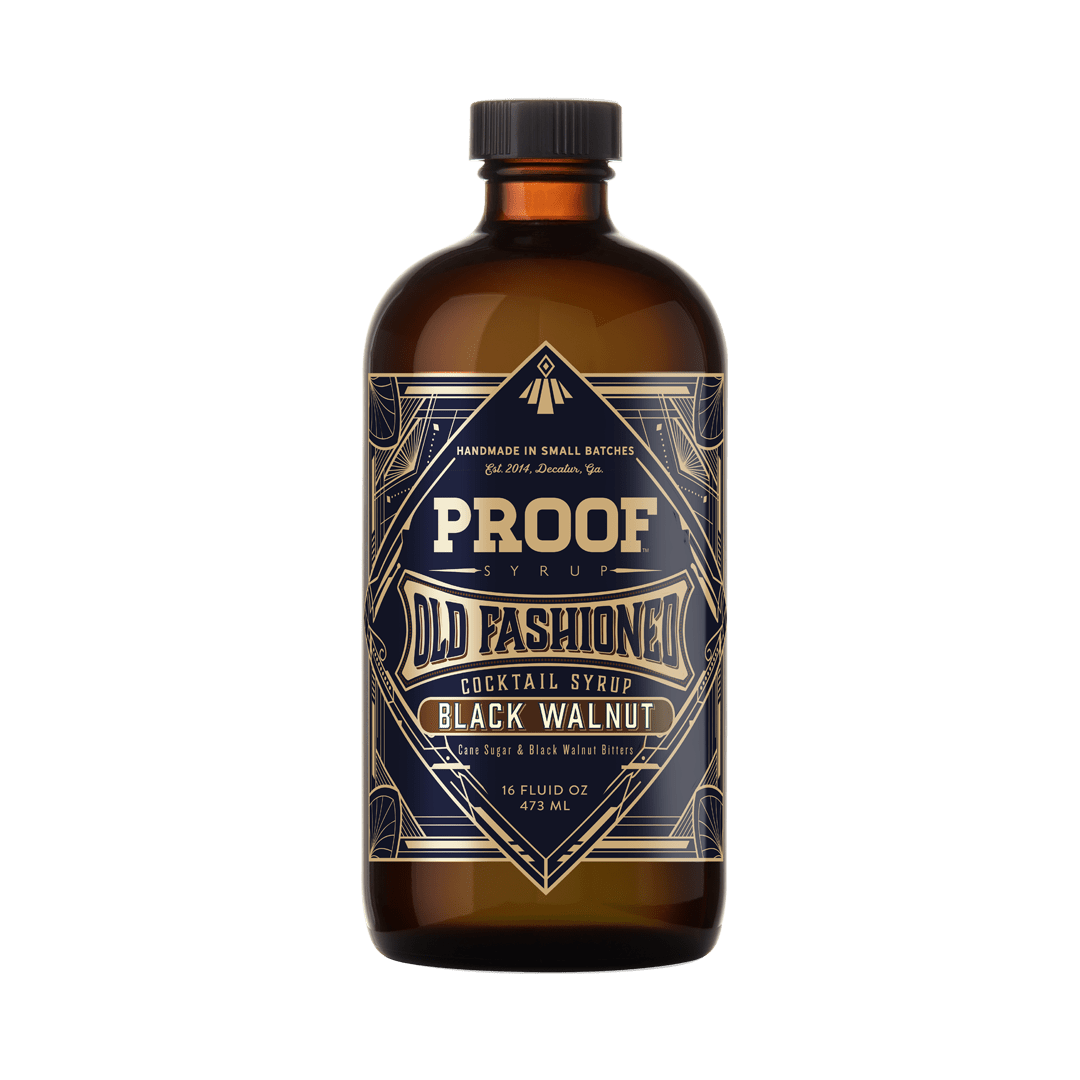
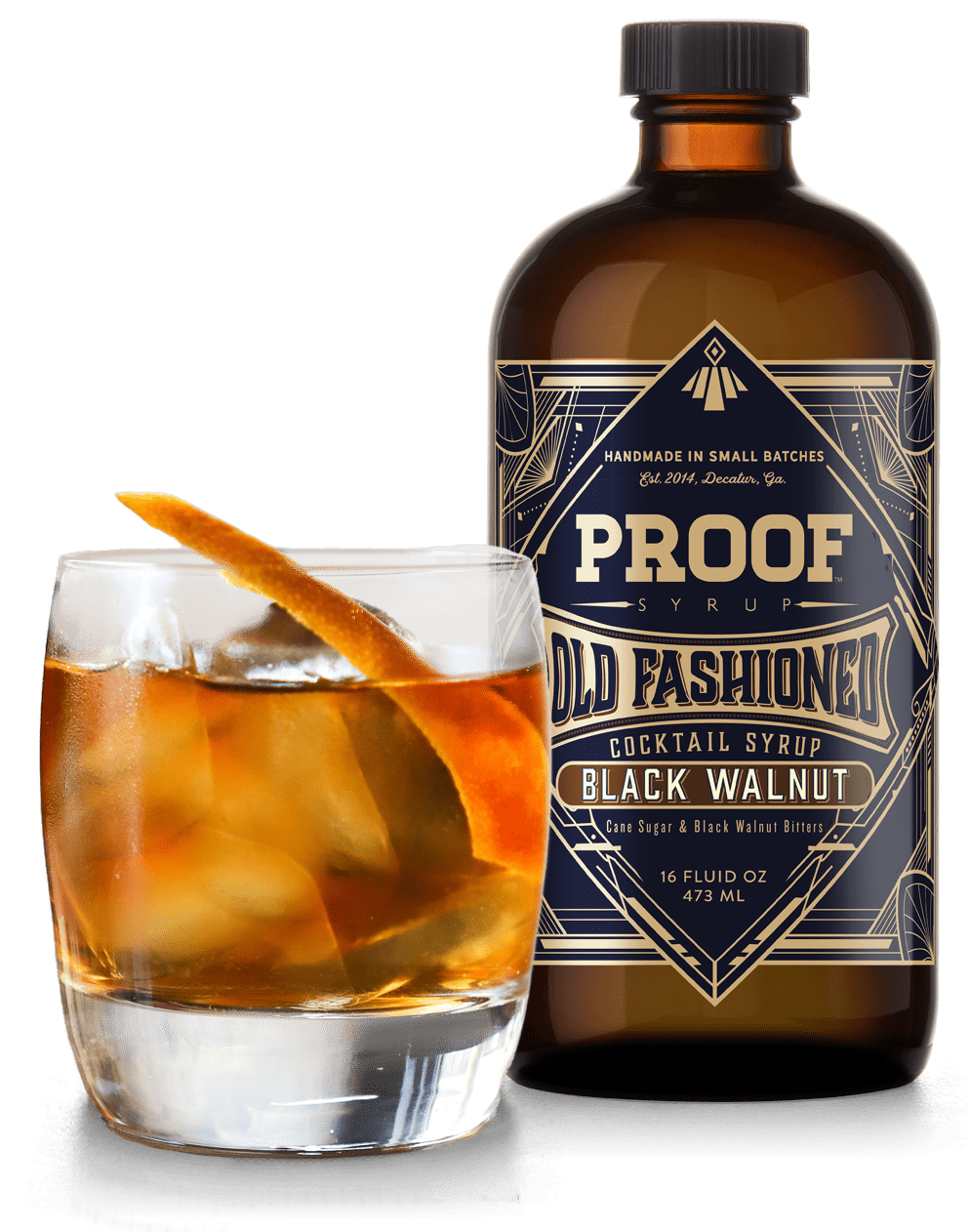
- 0.25 oz Black Walnut Proof Syrup
Best for: late fall, after dinner, and drinkers who already order amari.
Maple Bacon Boulevardier
Strange on paper, good in the glass. The savory note reads almost like a smoked garnish, and it gives the drink a finish that lingers well past where a normal boulevardier stops.
Ingredients
- 1.5 oz bourbon
- 0.75 oz Campari
- 0.75 oz sweet vermouth
- 0.25 oz Maple Bacon Proof Syrup
Best for: cold nights, rich food, and anyone who wants a boulevardier that argues back.
Technique that actually changes the drink
Use good vermouth and refrigerate it
Sweet vermouth is wine. An open bottle on the back bar goes stale in about three weeks and takes your cocktail with it. Keep it in the fridge, buy the small format if you drink these occasionally, and taste it on its own before you build. If it tastes flat alone, it will taste flat in the glass.
Stir, and stir past comfortable
Twenty-five to thirty seconds. Campari is dense and syrupy at room temperature, and it needs both chill and dilution to stop tasting like medicine. Under-stirring is the single most common reason a home boulevardier tastes harsh.
Pick a bourbon with some proof behind it
An 80-proof bourbon gets steamrolled by Campari. Anything from 90 to 100 proof holds its ground and keeps the drink from collapsing into bitterness. High-rye bourbon works especially well because the spice gives Campari something to argue with.
Express the peel properly
Hold the peel skin-side down about an inch above the surface and pinch it fast. You should see a fine mist. Then wipe the rim. Dropping an unexpressed twist into the glass does almost nothing, and the orange oil is genuinely a fourth ingredient in this drink.
Where to start
One bottle of Traditional will improve every stirred drink in your rotation, boulevardier included. From there, Black Walnut is the obvious second pick for this particular cocktail. Look through the whole range at proofsyrup.com, or start with the old fashioned syrups if you want the short list.