
Most bourbon smash recipes fall apart at the mint. Someone packs a glass with leaves, beats them with a muddler until the whole thing goes swampy, then wonders why the drink tastes like a mowed lawn. A smash is four things — bourbon, citrus, mint, sweetener — and it only works when each one gets handled with some restraint. Start by replacing the sugar water with Traditional Old Fashioned Syrup and half the problem is solved before you pick up the muddler.
Done right, this is one of the better warm-weather whiskey drinks: cold, herbal, citrus-forward, and still recognizably bourbon. Done wrong, it is sweet green water. The gap between those two outcomes is mostly technique, plus one ingredient choice people rarely stop to think about.
What makes a great bourbon smash
The smash is older than most drinks people call classics. It is essentially a julep with fruit in it, and the template has lasted because it is forgiving. That forgiveness cuts both ways. A smash will accept almost anything you put in it, which is exactly why so many of them are bad.
Four decisions carry the drink. The first is the bourbon. You want enough proof to survive ice and citrus, because anything under 90 proof tends to vanish once the drink dilutes. A bottle in the 90 to 100 proof range with some rye in the mash bill holds its shape best. Our notes on choosing a bourbon for an old fashioned mostly transfer here, with one adjustment: a smash has more competing flavors, so lean bolder than you would for a spirit-forward drink.
The second is citrus. Lemon is standard, and it has to be fresh. Bottled juice carries a dull, cooked note that a four-ingredient drink has nowhere to hide.
The third is mint, which contributes aroma more than flavor. The good part lives in the oils on the surface of the leaf. The bitterness lives inside it. The job is to release the first without tearing into the second.
The fourth is the sweetener, and this is the slot that decides whether the drink has any body at all. Simple syrup is sugar and water. It sweetens, and that is the entire extent of its contribution. A cocktail syrup built on raw cane sugar brings weight, a little caramel, and a finish that carries past the citrus. In a drink this short, the sweetener is not a footnote on the recipe. It is a quarter of the recipe.
The bourbon smash recipe
This makes one drink. Total time is about three minutes, most of it spent dealing with ice.
Ingredients
- 2 oz bourbon, 90 to 100 proof
- 0.75 oz fresh lemon juice
- 0.5 oz Traditional Old Fashioned Syrup
- 8 to 10 mint leaves, plus a full sprig for garnish
- Half a lemon, cut into wedges
- Crushed ice
Instructions
- Drop the lemon wedges and the syrup into the bottom of a shaker tin. Press them two or three times with a muddler, enough to break the fruit and pull oil off the peel, not enough to shred the pith.
- Add the mint leaves. Press once, gently, and stop. You are bruising them, not pulverizing them.
- Add the bourbon and the lemon juice. Fill the tin with cubed ice.
- Shake hard for eight to ten seconds. Short and violent beats long and polite.
- Double strain into a rocks glass packed with crushed ice. The fine strainer catches the mint fragments that would otherwise end up in your teeth.
- Mound more crushed ice on top. Slap the mint sprig once against your palm to wake up the oils, then plant it right next to the straw so it sits under your nose while you drink.
If you want it drier, pull the syrup back to 0.375 oz. If your lemons are unusually sharp, push it to 0.625 oz. We work through how to calibrate that balance in our guide to syrup ratios, and the same arithmetic applies to any sour-style drink.
Why the sweetener matters
This is the part worth being stubborn about. Simple syrup behaves like a solvent. It dissolves into the drink and disappears, leaving sweetness behind and nothing else. That is acceptable in a cocktail built around six other ingredients. In a smash, where you can count the ingredient list on one hand, the sweetener is load-bearing.
Proof Syrup is made in small batches with raw cane sugar instead of refined white sugar or corn syrup. Raw cane keeps the molasses fraction that refining strips out, and that fraction is where the caramel and light toffee notes come from. The practical result is texture. The drink coats the glass a little. It has a middle, not just a front and a back. The finish also runs longer, which gives the bourbon's oak and vanilla a few extra seconds instead of getting cut off cold by the lemon.
You can test this directly in about five minutes. Build two smashes side by side, one with 1:1 simple syrup and one with cocktail syrup, everything else identical. The simple syrup version tastes thinner and ends abruptly. The difference stops being subtle the moment you have both glasses in front of you.
Variations
Black Walnut Smash
The nuttiest version of the drink, and the one that makes the most sense once the weather turns. Black walnut sits underneath the mint rather than fighting it, and the whole thing reads closer to autumn than summer.
Ingredients
- 2 oz bourbon
- 0.75 oz fresh lemon juice
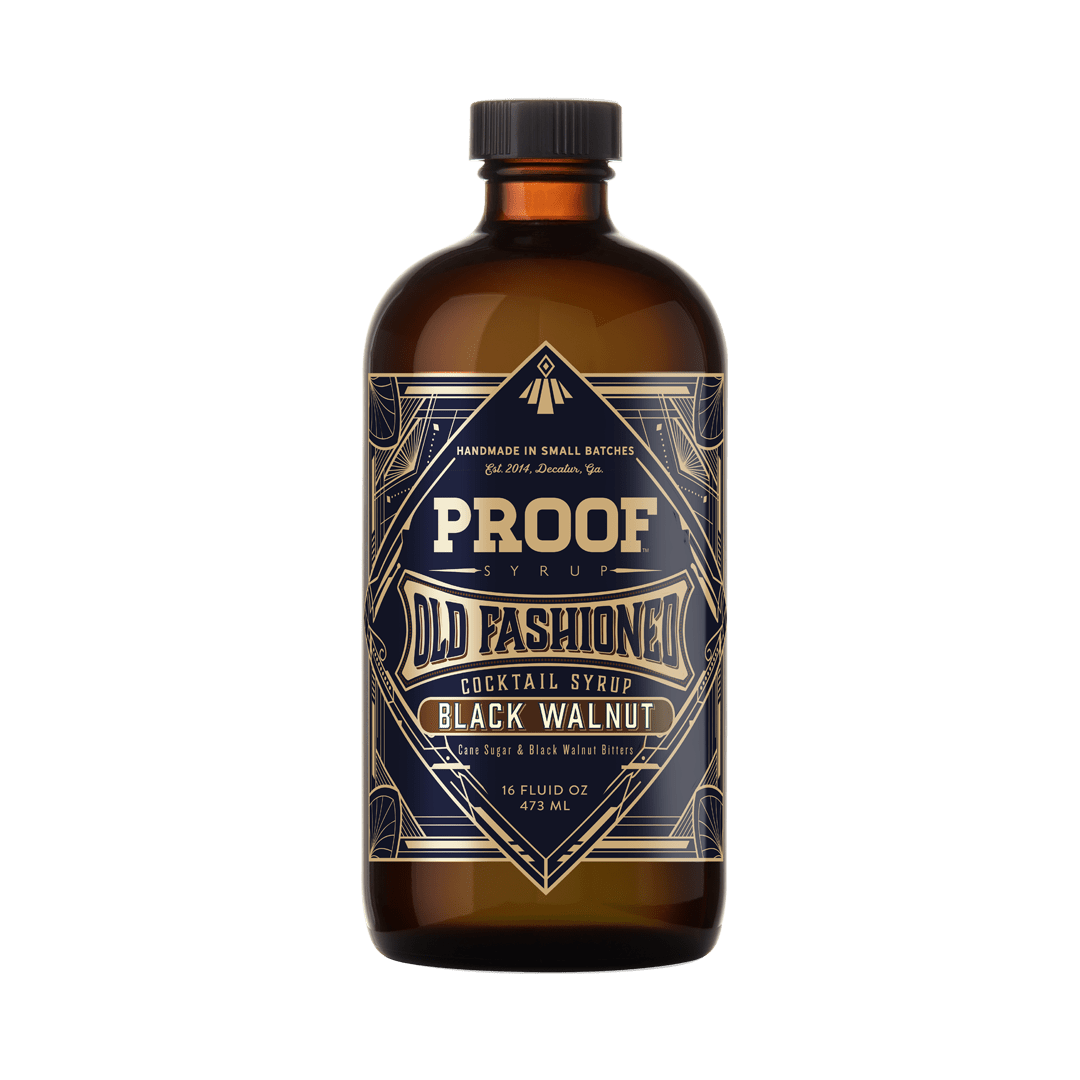
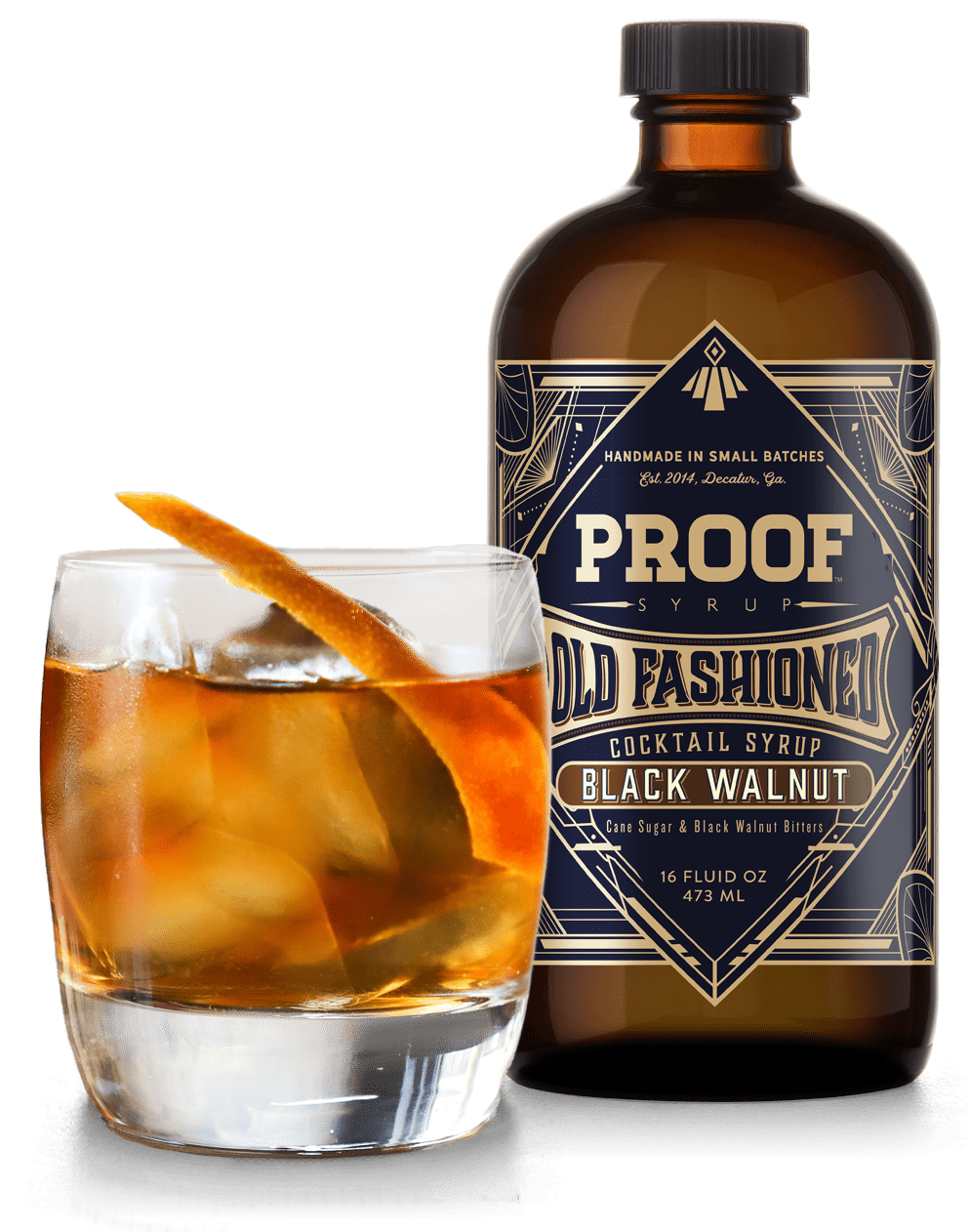
- 0.5 oz Black Walnut Syrup
- 8 mint leaves, 2 lemon wedges, crushed ice
Best for: October porch drinking, and anyone who finds the standard smash too bright.
Maple Bacon Smash
Sounds like a stunt and is not. The smoke and maple read as savory depth against the lemon, and the mint keeps it from turning into breakfast. Use a shorter mint count so the herbal note does not crowd the smoke.
Ingredients
- 2 oz bourbon
- 0.75 oz fresh lemon juice
- 0.5 oz Maple Bacon Syrup
- 5 mint leaves, 2 lemon wedges, crushed ice
Best for: brunch, tailgates, and convincing a skeptic that flavored syrup is not a gimmick.
Orange Smash
The most immediately likable of the three. Orange doubles down on the citrus instead of contrasting it, so the drink gets rounder and a little softer. Swap half the lemon for fresh orange juice if you want it gentler still.
Ingredients
- 2 oz bourbon
- 0.75 oz fresh lemon juice
- 0.5 oz Orange Syrup
- 8 mint leaves, 1 lemon wedge, 1 orange wedge, crushed ice
Best for: serving to a crowd that claims not to like whiskey.
Technique that actually changes the drink
Slap the mint, do not shred it
Muddling mint hard releases chlorophyll, which is bitter and tastes green in the worst sense. One firm press in the tin is plenty. For the garnish, lay the sprig across your palm and hit it once with your other hand. That single slap does more for the aroma than any amount of grinding.
Shake short and hard
A long, gentle shake over-dilutes and flattens everything. Eight to ten seconds of genuinely aggressive shaking chills the drink, aerates it, and stops before the ice gives up too much water. If the tin is not uncomfortably cold in your hand, you did not shake hard enough.
Crushed ice is not optional
Cubes melt slowly and leave the drink tasting flat and heavy. Crushed ice dilutes on a curve, so the smash opens up as you work through it. No crushed ice maker is required. Wrap cubes in a clean towel and hit them with a rolling pin or the flat of a heavy knife.
Taste before you strain
Pull a small sip off the shaker with a straw before it hits the glass. Lemons vary week to week, and bourbons vary bottle to bottle. A quarter ounce of syrup either direction is the difference between a drink you finish and a drink you put down.
Build a better bar shelf
The smash rewards good ingredients faster than most cocktails because there is nowhere for a weak one to hide. Fresh lemons, decent bourbon, mint that has not been sitting in the crisper for a week, and a sweetener that contributes something. Get those four right and the drink more or less makes itself.
If you want to try the variations above, the whole lineup is at our full syrup collection. Start with Traditional, then decide which direction you want to take it.