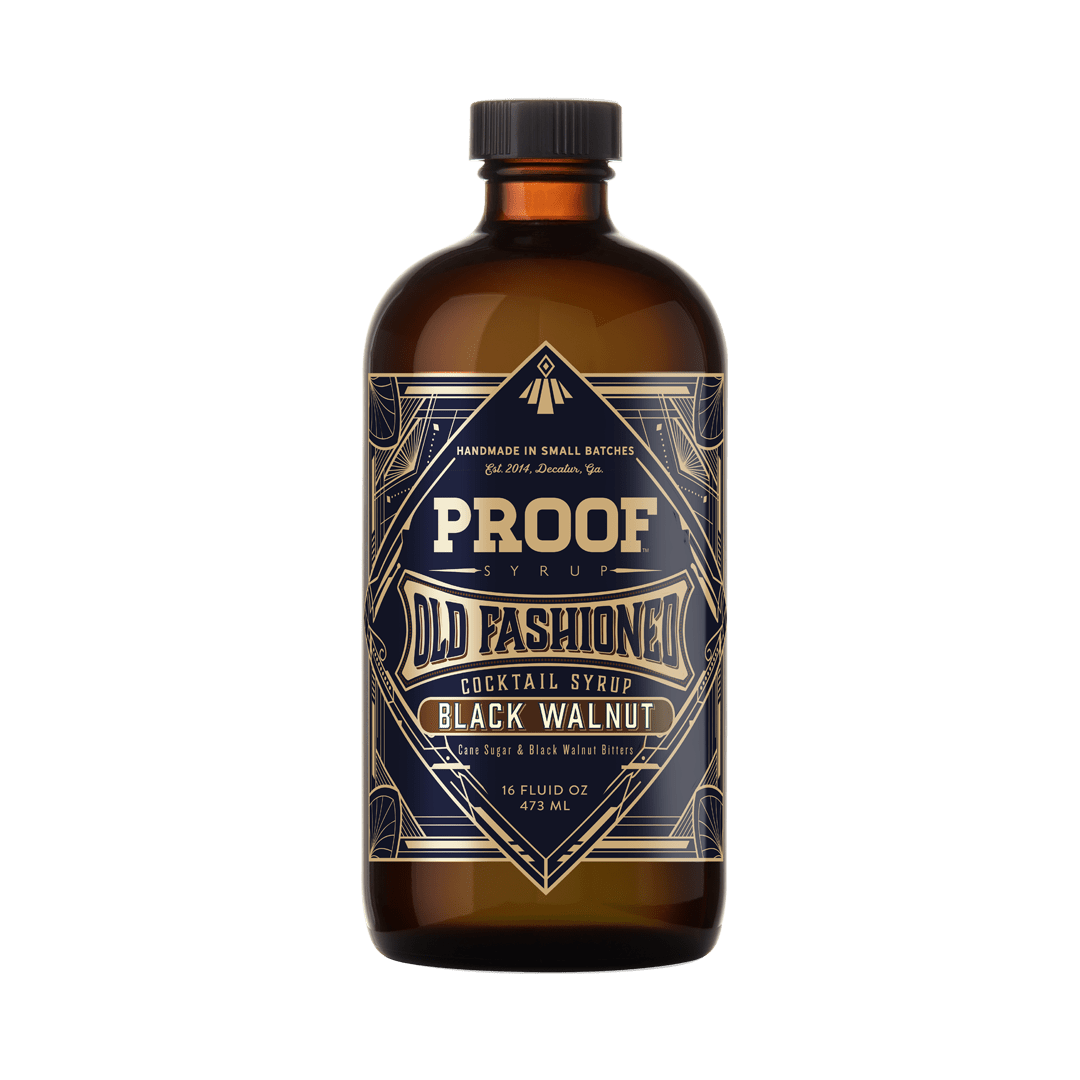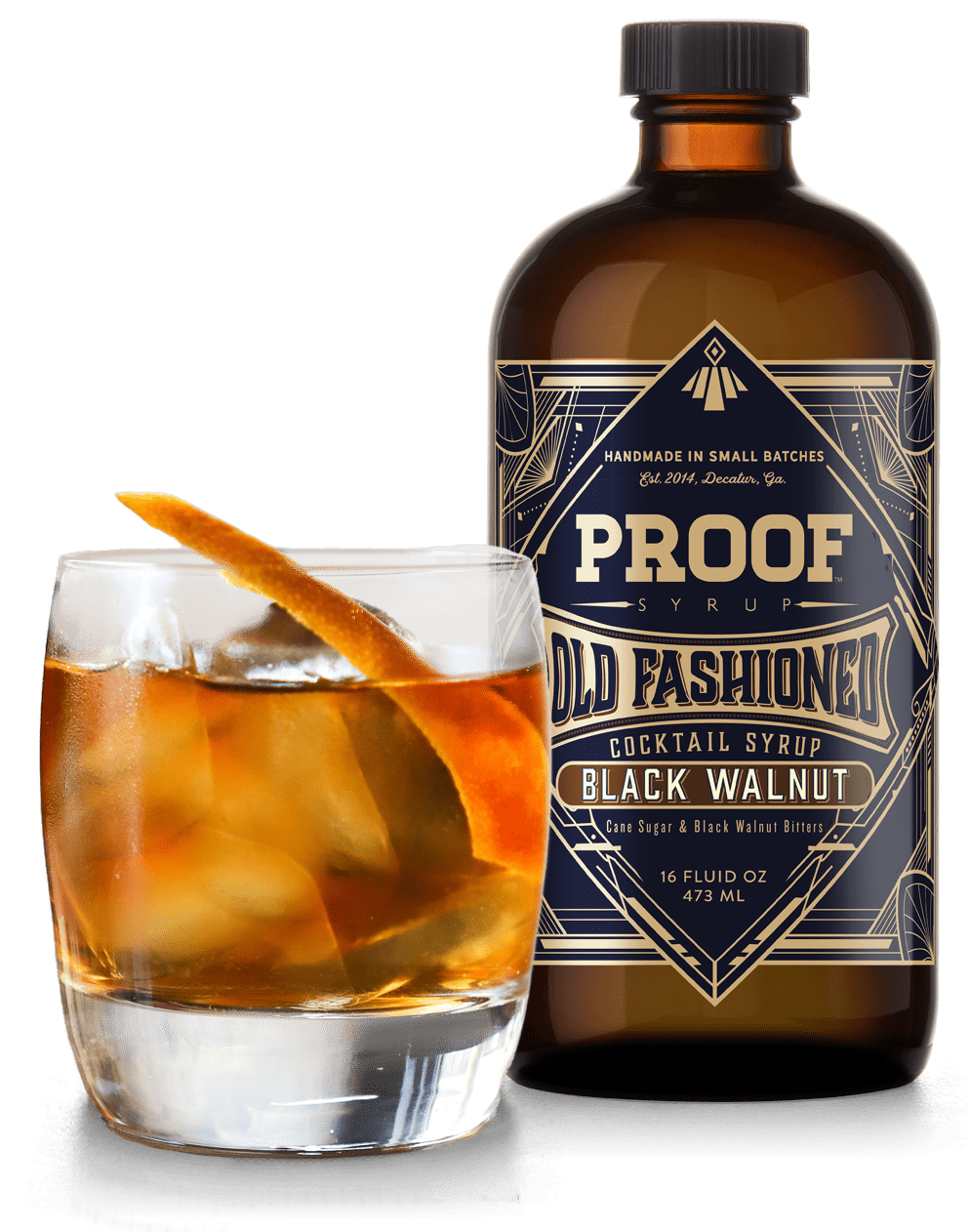

The mistake with black walnut is treating it as a one-drink ingredient. People buy a bottle, make an old fashioned with it, decide it was good, and then leave the bottle alone for four months. That is a waste of a genuinely useful flavor. Black Walnut Syrup is a base note, not a novelty, and it slots into sours, stirred drinks, tall drinks, and hot drinks with almost no adjustment. Five of them are below, none of which is an old fashioned.
To be clear, the old fashioned version is worth making, and we have written it up in full over at the black walnut old fashioned post. This one is about everything after that.
What makes a great black walnut cocktail
Black walnut reads as dry, tannic, and faintly bitter, with a roasted quality that sits closer to toasted nuts and dark bark than to anything sweet. That profile is why it works so well with brown spirits and so poorly with anything delicate. Put it next to gin and it bulldozes the botanicals. Put it next to rye and it locks into the grain like it was always meant to be there.
Three things determine whether a black walnut drink lands. The first is the spirit. Bourbon, rye, aged rum, and reposado tequila all have enough wood on them to meet it halfway. The second is acid, or the deliberate absence of it. Black walnut can go heavy and flat on its own, so a drink either needs citrus to lift it or needs to commit fully to being stirred and spirit-forward. Splitting the difference gets you something muddy.
The third is the sweetener itself, and this is the one that decides the drink. A nut-flavored simple syrup gives you the flavor and no structure. A proper cocktail syrup made with raw cane sugar brings the flavor plus the weight to carry it. In a stirred drink with three ingredients, that weight is most of what you are tasting between the first sip and the finish.
1. Black Walnut Whiskey Sour
The most direct way to find out whether you like black walnut in a drink. Lemon pulls the nut note forward and keeps the tannin from settling.
Ingredients
- 2 oz bourbon
- 0.75 oz fresh lemon juice
- 0.5 oz Black Walnut Syrup
- 1 egg white, optional
Instructions
- If you are using egg white, dry shake everything without ice for fifteen seconds.
- Add ice and shake hard for ten seconds.
- Double strain into a chilled coupe.
- Garnish with three drops of aromatic bitters dragged through the foam, or a lemon twist if you skipped the egg.
Best for: your first black walnut drink, and for anyone who thinks flavored syrups are automatically too sweet.
2. Black Walnut Manhattan
Swap part of the sweet vermouth for syrup and the drink gets drier and deeper at the same time. Rye is the right call here because the spice keeps the nut from going soft.
Ingredients
- 2 oz rye whiskey
- 0.75 oz sweet vermouth
- 0.25 oz Black Walnut Syrup
- 2 dashes aromatic bitters
Instructions
- Combine everything in a mixing glass with plenty of ice.
- Stir for thirty seconds. Longer than feels necessary is usually correct.
- Strain into a chilled Nick and Nora glass.
- Express an orange peel over the surface and drop it in.
Best for: late evening, cold weather, and drinkers who normally order a Manhattan and want a reason to pay attention again.
3. Black Walnut Boulevardier
Campari and black walnut are both bitter, but from opposite directions, and the overlap is smaller than you would expect. A quarter ounce of syrup rounds off the sharp edge of the Campari without making the drink sweet. If you have not built one before, our boulevardier recipe covers the base version.
Ingredients
- 1.5 oz bourbon
- 0.75 oz Campari
- 0.75 oz sweet vermouth
- 0.25 oz Black Walnut Syrup
Instructions
- Stir all four ingredients over ice for thirty seconds.
- Strain over one large cube in a rocks glass.
- Garnish with a wide orange peel.
Best for: before dinner, and for anyone who finds a standard boulevardier a touch aggressive.
4. Black Walnut Highball
The most underrated drink on this list. Tall, cold, and barely sweet, with the nut note showing up as an aftertaste rather than a headline. This is the one you make on a Tuesday.
Ingredients
- 2 oz bourbon
- 0.25 oz Black Walnut Syrup
- 4 oz cold soda water
- Lemon peel
Instructions
- Fill a collins glass to the top with ice and add the bourbon and syrup.
- Stir briefly to combine and chill.
- Top with soda water poured down a bar spoon to keep the carbonation intact.
- Give it one slow lift with the spoon, then garnish with a lemon peel.
Best for: weeknights, long afternoons, and drinking something whiskey-based without committing to a full-strength cocktail.
5. Black Walnut Hot Toddy
Heat does interesting things to black walnut. The roasted quality comes forward and the tannin softens, so the drink ends up rounder than the cold versions.
Ingredients
- 2 oz bourbon
- 0.5 oz Black Walnut Syrup
- 0.5 oz fresh lemon juice
- 4 oz hot water
- Lemon wheel and a cinnamon stick
Instructions
- Rinse a heatproof mug with boiling water and dump it out so the drink does not lose heat immediately.
- Add the bourbon, syrup, and lemon juice.
- Top with hot water, not boiling water. Around 175 degrees keeps the alcohol from flashing off.
- Stir once and garnish with the lemon wheel and cinnamon stick.
Best for: December, head colds, and the end of a long day outside.
Why the sweetener matters
Every drink above has three or four ingredients. There is no long ingredient list to hide behind, which means the sweetener is doing a quarter to a third of the work in the glass. That is the argument for caring about it.
Proof Syrup is made in small batches with raw cane sugar rather than refined white sugar or corn syrup. Raw cane keeps the molasses fraction that refining removes, and that is the source of the caramel and light toffee underneath the walnut. The effect shows up as body. The drink has texture on the tongue, a middle rather than just a beginning and an end, and a finish that holds instead of dropping off a cliff.
It also means the black walnut flavor is anchored to something. Flavor riding on thin sugar water tastes like an additive. Flavor riding on a syrup with weight to it tastes like an ingredient. The difference is obvious in the Manhattan and the boulevardier, where there is nowhere at all for a thin sweetener to hide.
Variations
Swap in Traditional
Use Traditional Old Fashioned Syrup in any of the five recipes above at the same measurement. You lose the nut note and gain a cleaner caramel and vanilla profile that lets the whiskey lead.
Ingredients (Traditional Highball)
- 2 oz bourbon, 0.25 oz Traditional Old Fashioned Syrup, 4 oz soda water, lemon peel
Best for: purists, and for the first drink of a session before your palate gets tired.
Swap in Maple Bacon
Best in the toddy and the sour, where the smoke has acid or heat to play against. Skip it in the Manhattan, since the vermouth and the smoke argue.
Ingredients (Maple Bacon Sour)
- 2 oz bourbon, 0.75 oz lemon juice, 0.5 oz Maple Bacon Syrup
Best for: cold mornings, brunch, and anything cooked over fire.
Swap in Orange
The easiest substitution of the three, because orange belongs in most whiskey drinks already. It brightens the boulevardier considerably and turns the highball into something close to a spritz.
Ingredients (Orange Boulevardier)
- 1.5 oz bourbon, 0.75 oz Campari, 0.75 oz sweet vermouth, 0.25 oz Orange Syrup
Best for: warmer months and guests who want something a little less serious.
Technique notes
Stir the stirred ones longer than you think
Thirty seconds is the floor for a Manhattan or a boulevardier. Under-stirred drinks taste hot and disjointed. The dilution is not a compromise, it is an ingredient.
Start low on the syrup
Black walnut is more assertive than a plain syrup at the same volume. Where you might pour half an ounce of Traditional, start at a quarter ounce of Black Walnut in stirred drinks and adjust up. In shaken drinks with citrus, the usual half ounce is fine.
Use one large cube where the recipe calls for rocks
Small cubes melt fast and wash out the nut note within a couple of minutes. One large cube keeps the drink cold without turning it into water halfway through.
Chill the glassware
A room-temperature coupe costs you several degrees on the first sip, which is the sip that sets your expectation for the whole drink. Ten minutes in the freezer solves it.
Where to start
Make the highball first. It uses the least syrup, takes ninety seconds, and tells you exactly what black walnut tastes like without anything else competing. Then move to the sour, then the Manhattan once you know how much you want.
If you want to try the swaps above, the full lineup lives in our old fashioned syrups collection.