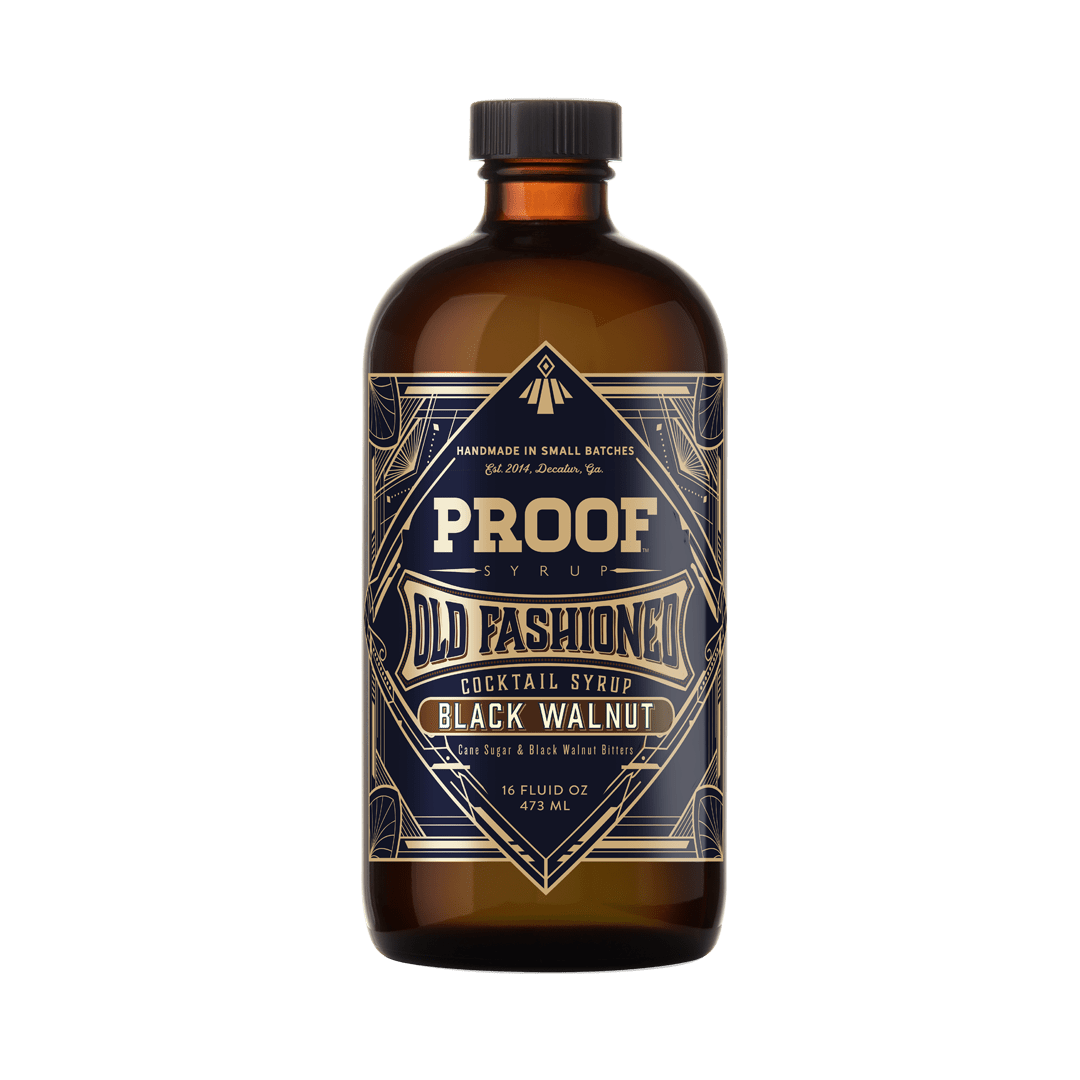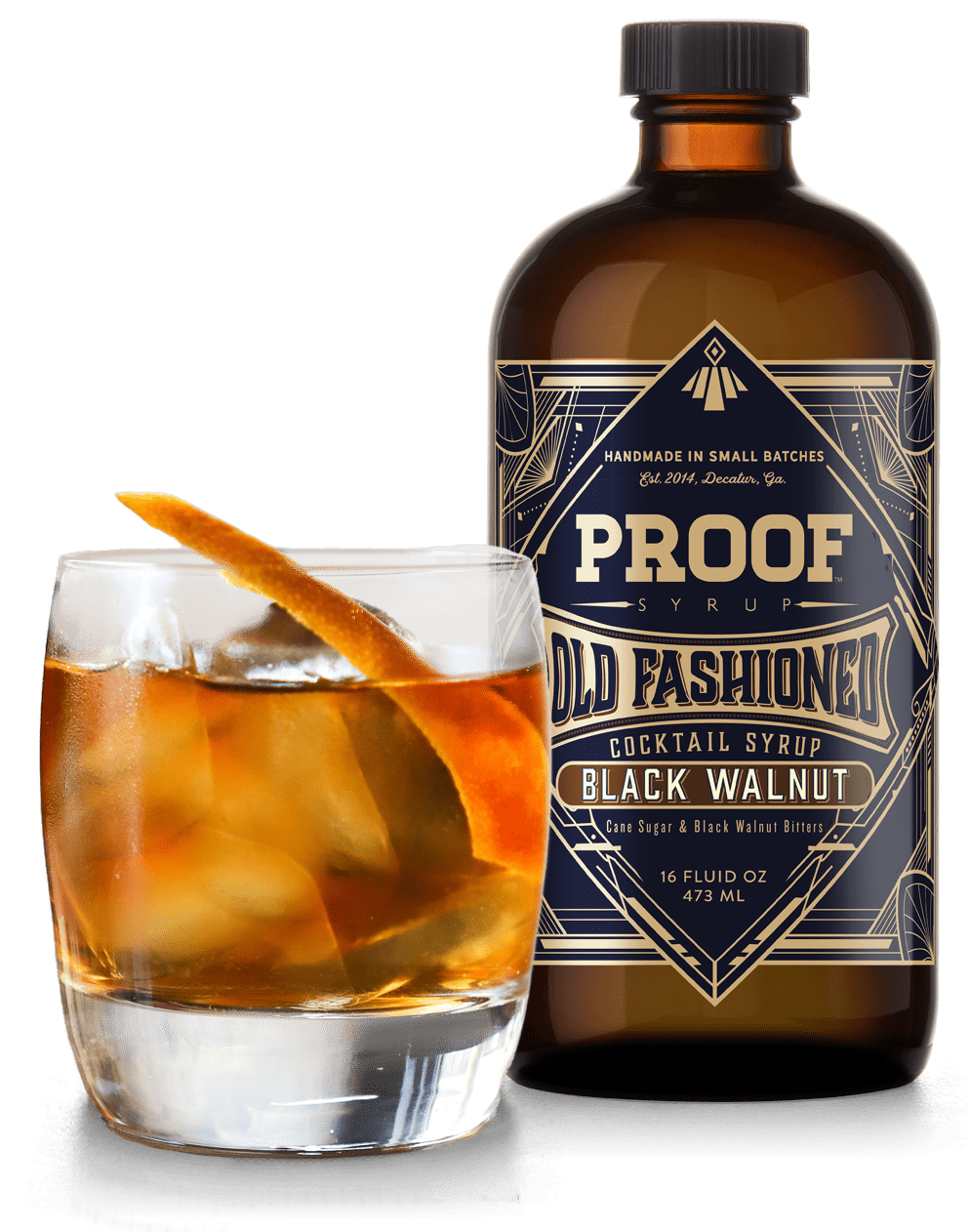

The usual mistake with bourbon is reaching for whatever is already in the fridge. Cola, lemonade, a flat ginger ale from a cookout three weeks ago. Bourbon will tolerate all of it, and none of it does the whiskey any favors. The better approach is to think in categories rather than specific bottles, and to treat the sweetener as a real ingredient instead of an afterthought. A half ounce of Traditional Old Fashioned Syrup changes more drinks on this list than any mixer does.
Bourbon is corn-forward, which means it arrives sweet and finishes with oak, vanilla, and a little spice. Anything you mix with it is either balancing that sweetness, extending it, or cutting through it. Five categories cover essentially everything worth trying.
What makes a great bourbon mixer
A good mixer does one of three jobs: it adds acid, it adds bitterness, or it adds length. Acid keeps the corn sweetness from going cloying. Bitterness gives the drink a spine. Length, usually from carbonation or water, makes a two-ounce pour last thirty minutes instead of ten.
What a mixer cannot do is supply body. That is the sweetener's job, and it is the slot most home bartenders skip entirely or fill with granulated sugar and a splash of water. Simple syrup is a solvent. It dissolves, sweetens, and contributes nothing else to the texture of the glass. A cocktail syrup made with raw cane sugar brings weight and a longer finish, which is exactly what a short drink needs and exactly what a tall drink needs to keep from tasting watery.
That distinction matters more as the ingredient list gets shorter. In a highball with three components, the syrup is a third of the drink. Our breakdown of the best syrup for an old fashioned goes deeper on the sourcing side.
Citrus: lemon, orange, grapefruit
The most reliable category, and the one to learn first. Citrus acid cuts straight through corn sweetness and makes bourbon taste brighter without making it taste thinner. Lemon is the workhorse. Orange is softer and rounder. Grapefruit brings a little bitterness along with the acid, which makes it the most interesting of the three and the easiest to overdo.
Ratios matter here. Two parts bourbon to three quarters of a part citrus to half a part syrup is the classic sour build, and it works with all three fruits.
Ingredients
- 2 oz bourbon
- 0.75 oz fresh lemon juice
- 0.5 oz Traditional Old Fashioned Syrup
- Lemon peel
Instructions
- Combine the bourbon, lemon juice, and syrup in a shaker with ice.
- Shake hard for ten seconds.
- Double strain into a chilled coupe.
- Express a lemon peel over the top and drop it in.
Bitter: vermouth, amaro, bitters
Bitterness is what separates a cocktail from a mixed drink. Sweet vermouth is the gateway, since it brings herbal bitterness and a little more body. Amaro goes further and gets more specific. Aromatic bitters do the same job in dashes rather than ounces, which makes them the cheapest upgrade in any home bar.
With bitter mixers you stir instead of shake, and you use less syrup, because the goal is to round the edges rather than sweeten the drink.
Ingredients
- 2 oz bourbon
- 0.75 oz sweet vermouth
- 0.25 oz Black Walnut Syrup
- 2 dashes aromatic bitters
Instructions
- Add everything to a mixing glass filled with ice.
- Stir for thirty seconds.
- Strain into a chilled coupe or over one large cube.
- Garnish with an orange peel.
Sweet: maple, honey, stone fruit
The trap in this category is doubling down. Bourbon is already sweet, so a sweet mixer has to bring something besides sugar. Maple brings smoke and minerality. Honey brings floral weight. Stone fruit brings acid along with the sweetness, which is why peach and bourbon is such a durable combination.
Keep the total sugar in check by shortening the syrup whenever the mixer itself is sweet.
Ingredients
- 2 oz bourbon
- 0.5 oz Maple Bacon Syrup
- 0.5 oz fresh lemon juice
- 2 dashes aromatic bitters
Instructions
- Shake the bourbon, syrup, and lemon juice with ice for ten seconds.
- Strain over one large cube in a rocks glass.
- Dash the bitters over the surface.
- Garnish with an orange peel.
Carbonated: soda water, ginger, cola
Carbonation is the most underrated mixer in the category, mostly because people use it badly. Soda water is the purest option and the best one for tasting what a bourbon actually does. Ginger beer adds heat and sugar. Cola adds a lot of sugar and a fair amount of caramel, which is why a bourbon and cola works at all, and also why it rarely tastes like much beyond cola.
The rule with carbonation is to keep everything cold and to stir as little as possible. Every stir costs you bubbles.
Ingredients
- 2 oz bourbon
- 0.25 oz Orange Syrup
- 4 oz cold soda water
- Orange peel
Instructions
- Fill a collins glass completely with ice. A full glass melts slower than a half-full one.
- Add the bourbon and syrup, then stir once to chill.
- Pour the soda water down a bar spoon to preserve the carbonation.
- Lift the spoon once through the drink and garnish with an orange peel.
Coffee and tea
Both are bitter, both are aromatic, and both have enough tannin to stand up to whiskey. Cold brew is the easier of the two because it is less acidic and mixes clean. Strong black tea, brewed and chilled, makes an excellent base for a tall drink and costs almost nothing. Hot versions of either work as well, provided you use hot water rather than boiling water so the alcohol does not flash off.
Ingredients
- 1.5 oz bourbon
- 3 oz cold brew coffee
- 0.5 oz Black Walnut Syrup
- Orange peel
Instructions
- Add all three liquids to a rocks glass filled with ice.
- Stir for ten seconds to combine and chill.
- Express an orange peel over the surface and drop it in.
Why the sweetener matters
Look back at the five recipes above. Every one of them has four ingredients or fewer, and every one of them includes syrup. That is not a coincidence. Short drinks have nowhere to hide a weak component, and the sweetener is the component most people treat as interchangeable.
Proof Syrup is made in small batches with raw cane sugar instead of refined white sugar or corn syrup. Raw cane retains the molasses fraction that refining strips out, which is where the caramel and toffee notes come from. What you notice in the glass is body. The drink has some weight to it, a middle section rather than just a sharp front and a quick end, and a finish that stays with the bourbon's oak instead of dropping away from it.
In tall drinks the effect is even more useful, because carbonation and ice both work against texture. A syrup with real body keeps a highball from tasting like whiskey-flavored water at the halfway point. If you want to get precise about measurements, our guide to syrup ratios lays out the math.
Variations
Traditional in the highball
The cleanest version of a bourbon and soda. Traditional keeps the whiskey in front and adds weight without adding a competing flavor.
Ingredients
- 2 oz bourbon, 0.25 oz Traditional Old Fashioned Syrup, 4 oz soda water, lemon peel
Best for: learning what a bourbon tastes like diluted, and for drinking at a pace you can sustain.
Orange in the sour
Orange softens the lemon and makes the drink read rounder. This is the version to hand someone who says they do not like whiskey.
Ingredients
- 2 oz bourbon, 0.75 oz lemon juice, 0.5 oz Orange Syrup, orange peel
Best for: parties, and for the drinker who normally orders something fruity.
Maple Bacon in the coffee drink
Smoke and coffee are natural partners, and the maple keeps the whole thing from turning austere. Cut the syrup to a third of an ounce, since cold brew already carries some sweetness.
Ingredients
- 1.5 oz bourbon, 3 oz cold brew, 0.375 oz Maple Bacon Syrup
Best for: late brunch, and the afternoon stretch when coffee alone stops working.
Technique notes
Shake citrus, stir everything else
Anything with fruit juice or egg gets shaken, because it needs aeration. Anything that is all spirits and syrup gets stirred, because shaking makes it cloudy and over-dilutes it. There is no third option.
Fill the glass all the way
A glass packed with ice melts more slowly than a glass with three cubes rattling around in it. This feels backwards and is not. More ice means less surface area exposed to warm liquid.
Match the syrup volume to the mixer
Sweet mixers get a quarter ounce. Neutral mixers like soda water get a quarter to a half. Sour builds with fresh citrus get a full half ounce. When in doubt, start low and add, because you cannot take it back out.
Use fresh citrus, without exceptions
Bottled lemon and lime juice taste cooked and slightly metallic. In a four-ingredient drink that flaw is the first thing you notice. One lemon costs less than a dollar and yields enough juice for two drinks.
Start with one and build out
You do not need five mixers on the shelf. Pick the category that matches how you actually drink, get good at one build inside it, then expand. Most people who start with the citrus category never really leave it, and that is a fine place to end up.
The syrups referenced throughout are all in our full collection, and Traditional is the one to buy first if you are only buying one.