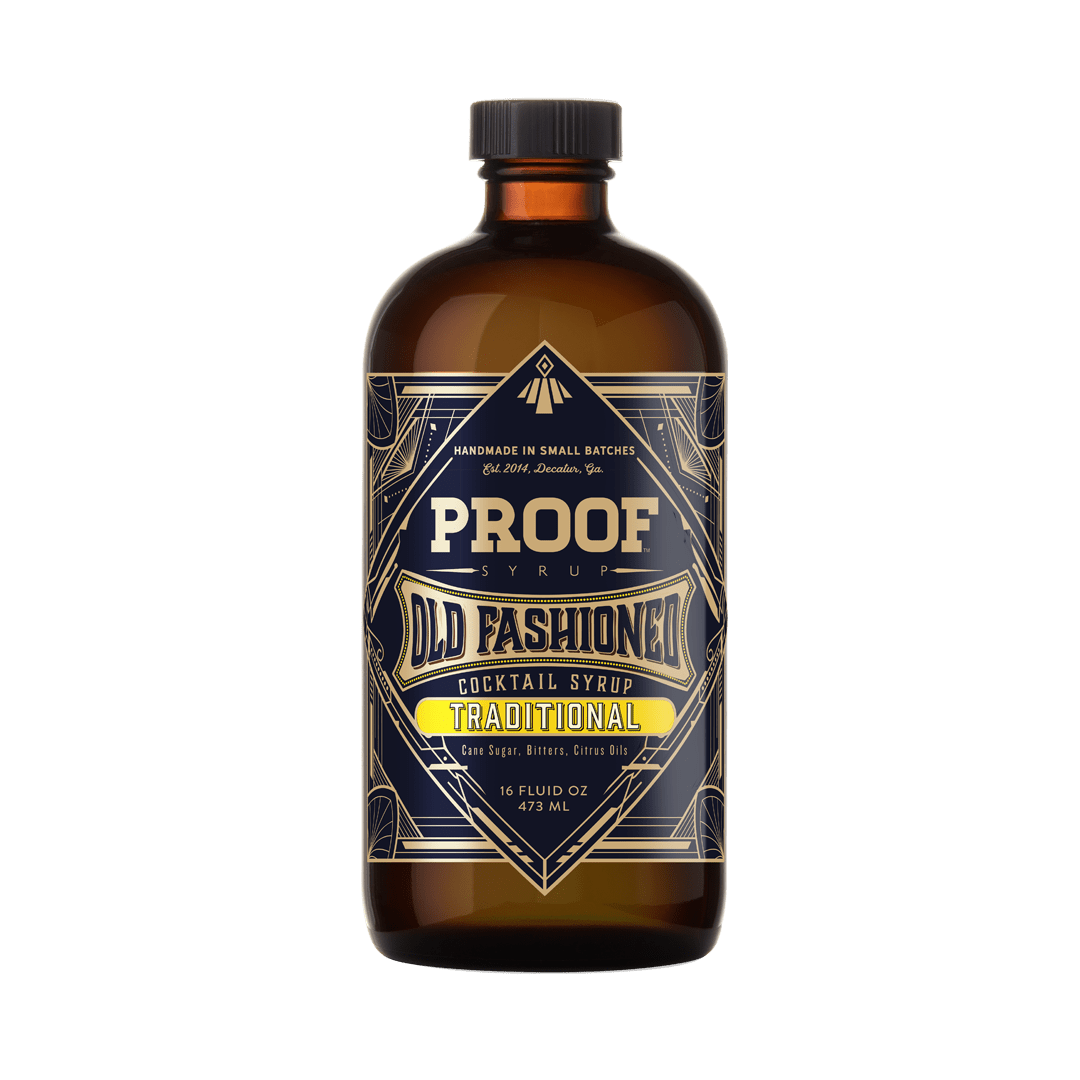

If you have spent any time reading British or European cocktail writing, you have probably seen the word "cordial" used the way Americans use "syrup," and assumed the two mean the same thing. They are related, but they are not interchangeable, and the difference matters if you are trying to figure out what to actually buy. Proof Syrup is a cocktail syrup, not a cordial, and that distinction affects how much alcohol you are getting, how sweet the drink ends up, and how the bottle gets used once it is open.
What a cordial actually is
"Cordial" is an older term, most common in British and European usage, and it has never had one fixed meaning the way "bourbon" or "gin" do under U.S. law. Depending on the country, the era, and the brand, a cordial can mean a non-alcoholic fruit or herb concentrate meant to be diluted with water or soda — the classic squash-style lime cordial is the best-known example — or it can mean something closer to a liqueur, with real alcohol content. Both uses are common, and a label alone will not tell you which one you are holding. The only way to know is to read the actual ingredients and ABV on the bottle in front of you.
What a cocktail syrup is
A cocktail syrup, in the way the term is used in the U.S., is a non-alcoholic ingredient added to a drink alongside a base spirit — it is not meant to be diluted and served on its own the way a cordial-and-soda often is. It is built around sugar and flavor: bitters, citrus oils, spices, in Proof's case raw cane sugar as the base. There is no ambition for it to be a stand-alone beverage. It is a component, measured in fractions of an ounce, that supports a spirit rather than replacing or diluting into one.
A worked example: how the syrup actually gets used
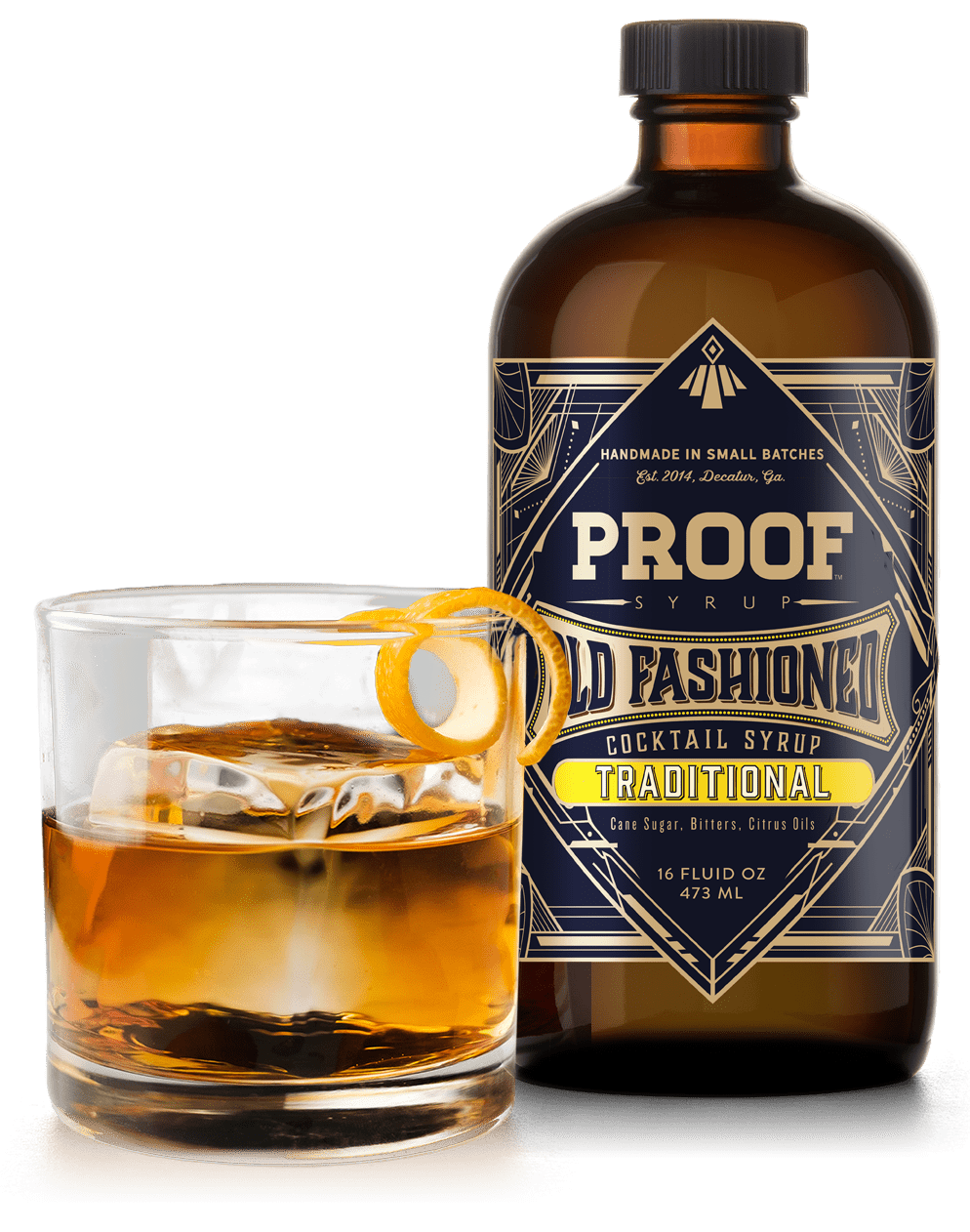
Classic Old Fashioned
Ingredients
- 2 oz bourbon or rye
- 0.25 oz Traditional Proof Syrup
- 2 dashes bitters
Instructions
- Add the syrup and bitters to a rocks glass.
- Add the spirit.
- Add one large ice cube and stir until chilled, about 20 seconds.
- Garnish with an orange twist.
Notice the syrup is measured in a quarter ounce, next to two full ounces of spirit. That ratio is the syrup model: a small, concentrated addition. A cordial used in a punch or as a soda mixer is typically built the other way around, with the cordial as the larger part of the glass and the alcohol, if any, as the smaller addition. For more on getting that ratio right, see our guide to how much syrup belongs in an Old Fashioned.
Why the distinction actually matters
For a home bartender deciding what to buy, this comes down to three practical things. Alcohol content: a cocktail syrup adds none, so you control the drink's strength entirely through the spirit you choose, while a cordial might add some depending on the brand. Sweetness level: syrups are concentrated on purpose, meant to be used in small amounts, while a cordial is often designed to be diluted with water or soda before drinking. And how it is used in a recipe: syrup recipes call for it as a supporting component, while cordial recipes are frequently written as the base of the drink itself. Buying the wrong one for what you actually want to make means either a drink that is too sweet and diluted, or one that is missing the body it needed.
How each in-stock flavor fits the syrup role
Traditional
Best for: the standard Old Fashioned and any recipe written around a classic simple-syrup profile. Nut-free.
Black Walnut
Best for: a nuttier, more autumnal variation on the same style of drink. Processed in a facility that handles tree nuts.
Maple Bacon
Best for: whiskey drinks that can take a smoky, savory edge. Nut-free, but not vegan.
Orange
Best for: brighter, citrus-forward builds. Nut-free, but has a shorter window once opened than the other flavors, so it is worth buying closer to when you plan to use it.
A few practical tips for choosing between them
Check the label before you buy anything called "cordial"
If a bottle marketed as a cordial does not list its ABV clearly, treat it as an unknown and check before serving it to anyone who is not drinking alcohol.
Measure syrup in fractions of an ounce, not as a mixer base
Recipes built around a cocktail syrup are written with small quantities in mind. Pouring it the way you would pour a soda mixer will overwhelm the drink.
Know why the sugar matters
Proof Syrup uses raw cane sugar rather than corn syrup, which gives it more body and a cleaner finish than a mass-market bar mixer — the same reasoning we lay out in our raw cane sugar vs. white sugar comparison.
If you want something you can drink on its own
That is a legitimate thing to want, and it is a different question from cordial vs. syrup — a cocktail syrup mixed with plain soda water works well for that too, without any alcohol involved either way.
Ready to pick one
If you know you are after a non-alcoholic syrup built for measuring alongside a spirit, not a diluted stand-alone drink, browse the full Proof Syrup lineup and start with whichever flavor matches the spirit already in your bar cart.