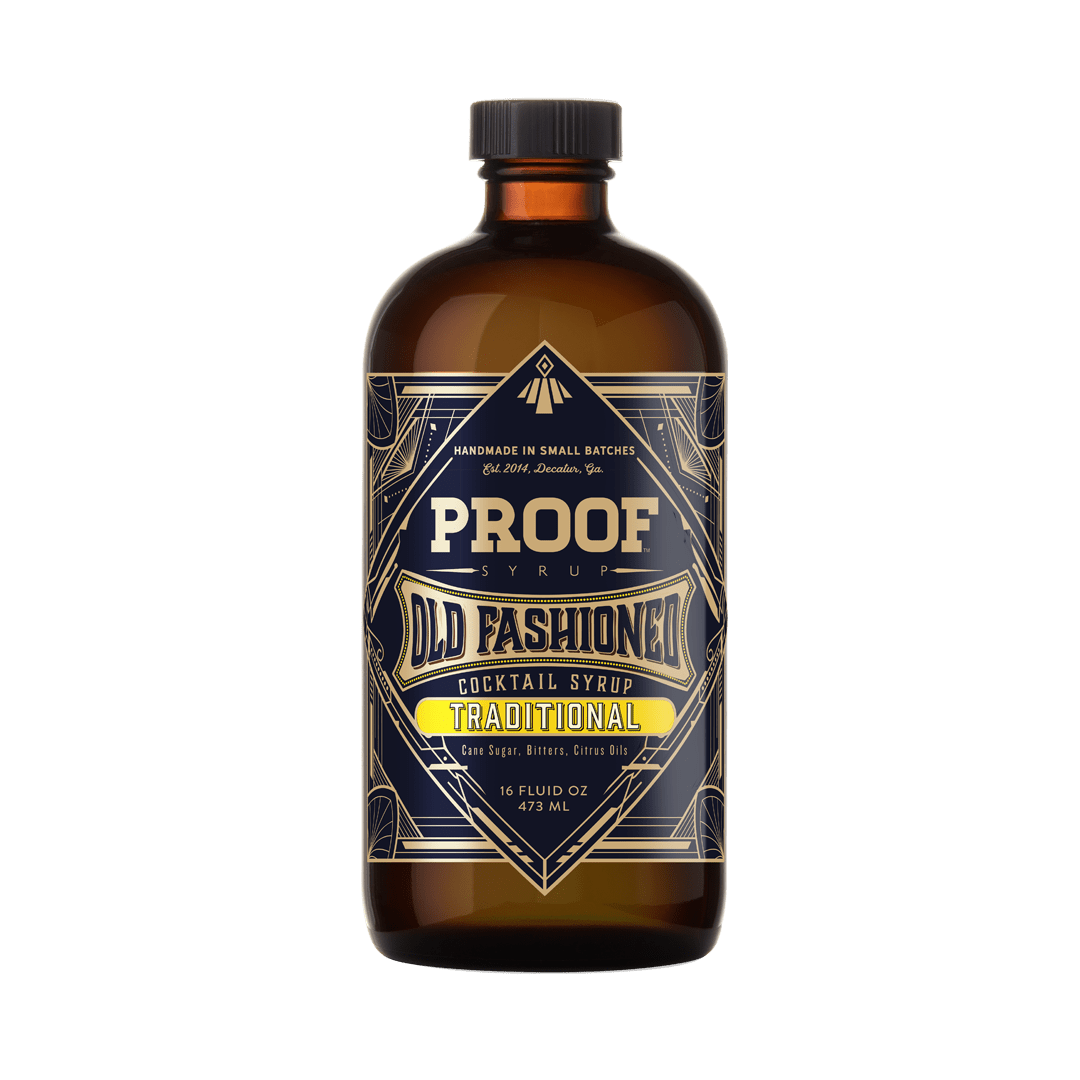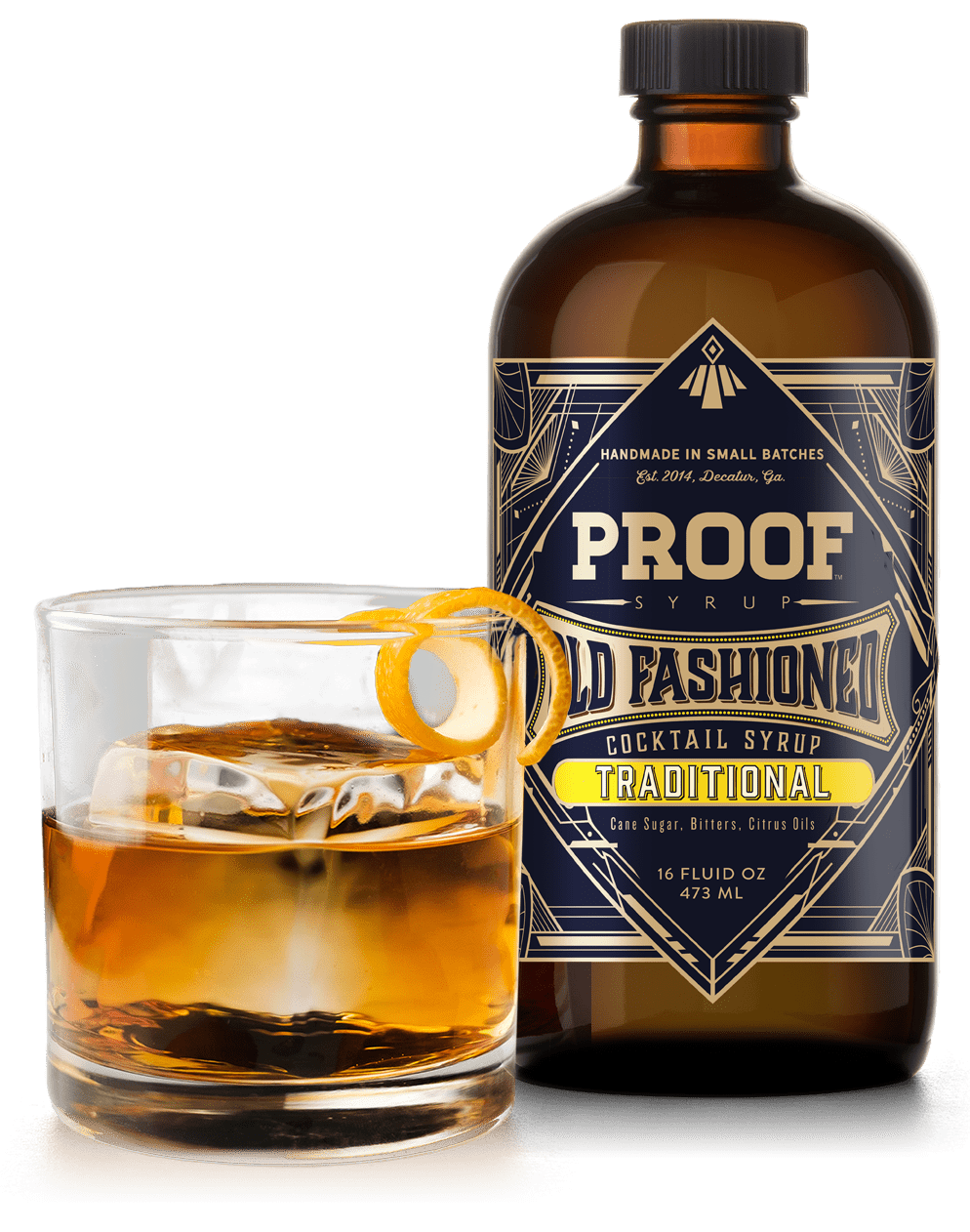

It is a fair question, and one we get a lot: is cocktail syrup actually alcoholic? The short answer is no. Proof Syrup, and cocktail syrup as a category, is a non-alcoholic mixer — made from sugar, bitters, and citrus or spice flavoring — meant to be combined with a spirit you choose, not something that contains alcohol on its own. The confusion is understandable, but it is worth clearing up plainly.
Where the confusion comes from
Two things drive it. First, cocktail syrup is sold and used near liquor — on a bar cart, next to whiskey, in the same recipe as a spirit — and it is easy to assume anything in that neighborhood must itself contain alcohol. It does not. Second, and specific to this brand, "Proof" in the name refers to the idea of proof as in evidence, and to the bartending term generally, not to alcohol proof (the measure of a spirit's strength). It is a brand name, not a claim about what is in the bottle. Once you know that, the name stops being misleading.
What is actually in the bottle
Cocktail syrup is built from three things: a sugar base, bitters, and citrus or spice oils for flavor. Proof Syrup uses raw cane sugar rather than corn syrup, which is part of why it has more body and a longer finish than a typical mass-market bar mixer — the same reasoning behind our raw cane sugar vs. white sugar comparison. None of those three components is alcohol. The alcohol in a finished cocktail comes entirely from the spirit you add yourself.
A worked example: the syrup with nothing alcoholic at all
Traditional Proof Mocktail
Best for: a designated driver, a non-drinking guest, or anyone who just wants the flavor without the spirit.
Ingredients
- 1 oz Traditional Proof Syrup
- 4 oz soda water
- A squeeze of orange or lemon
Instructions
- Fill a highball glass with ice.
- Add the syrup and citrus.
- Top with soda water and stir once, gently.
- Garnish with a citrus wheel.
That is the entire drink, and it is exactly why the syrup works alone: it is built to add flavor and body on its own, with or without a spirit sitting next to it. Nothing about the recipe changes if you add a spirit later — you are just adding the alcohol yourself, on purpose, in an amount you control.
Common questions, answered directly
Can it be used in mocktails?
Yes — that is one of its most straightforward uses. Because the syrup itself is non-alcoholic, combining it with soda water, ginger beer, or juice makes a complete drink with real flavor and no alcohol at all, as in the recipe above.
Is it safe to have around non-drinkers, designated drivers, or pregnant guests?
Yes. Since the syrup contains no alcohol, there is no reason to keep it away from anyone who is not drinking. It can sit on the same counter as the mixers, not the liquor, and be used freely by anyone at the party.
Does it need to be stored with the alcohol?
No. There is nothing about the syrup that requires it be kept near liquor for safety, legal, or storage reasons — it is stored the way you would store any other cooking syrup, at room temperature until opened.
Does "small batch" or "bitters" mean it has alcohol in it?
No. Bitters used as a flavoring ingredient in a syrup are used in small enough quantities, and processed enough, that the syrup itself remains a non-alcoholic product. It is a flavor component, not an alcohol source.
Why the sugar and flavor still matter
Being non-alcoholic does not mean the syrup is an afterthought ingredient. Proof Syrup is made in small batches with raw cane sugar, giving it real body and a finish that holds up whether it is mixed with a spirit or with plain soda water. A mass-market, corn-syrup-based mixer tends to taste thin and one-note either way; the point of using a better syrup is that it carries a drink on its own merits, alcoholic or not. That is also why the non-alcoholic version of the drink does not feel like a consolation prize at the table — it is built to taste finished on its own, not like a cocktail with something missing.
A few practical tips
Read the label if you are ever unsure
Any bottle sold as an alcoholic product is required to say so and to list an ABV. If a syrup does not list one, that is because it does not contain alcohol.
Use it as the flavor base for a full mocktail menu
Because it is not alcoholic, you can build an entire non-alcoholic drink menu around it for an event, without a separate ingredient list for the non-drinking guests. Our bourbon vs. rye guide is useful for the alcoholic side of the same menu, once you are ready to build both.
Keep the ratio the same either way
The syrup-to-mixer ratio in the recipe above works whether or not you add a spirit. Adding alcohol later does not require rebalancing the syrup amount.
Store it at room temperature, unopened, for up to two years
There is no special handling required because it is non-alcoholic — it keeps the same way any shelf-stable syrup does.
See it in both kinds of drinks
If you want to see the same syrup used both ways, browse the full Proof Syrup collection and start with whichever flavor fits what is already in your kitchen, spirit or no spirit.