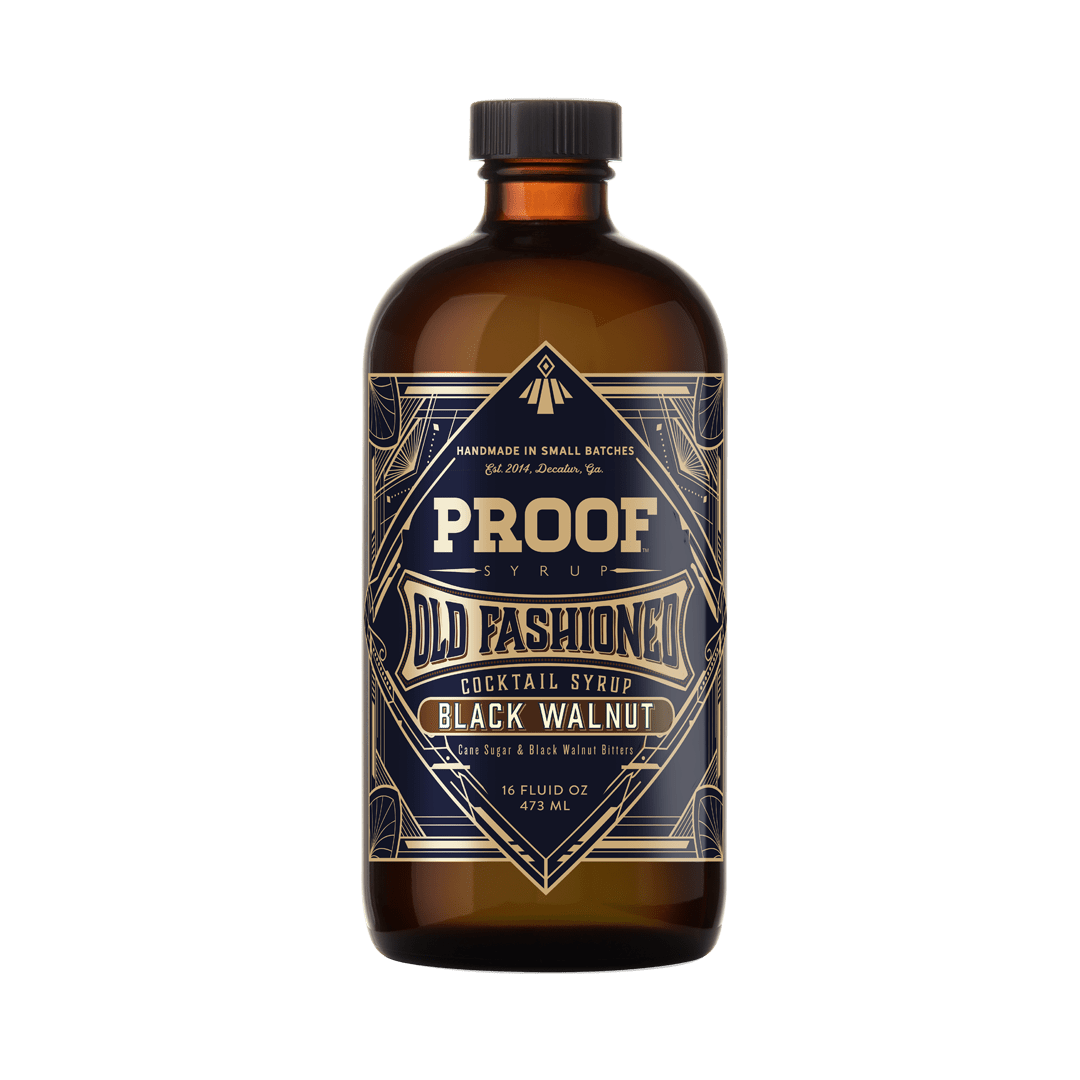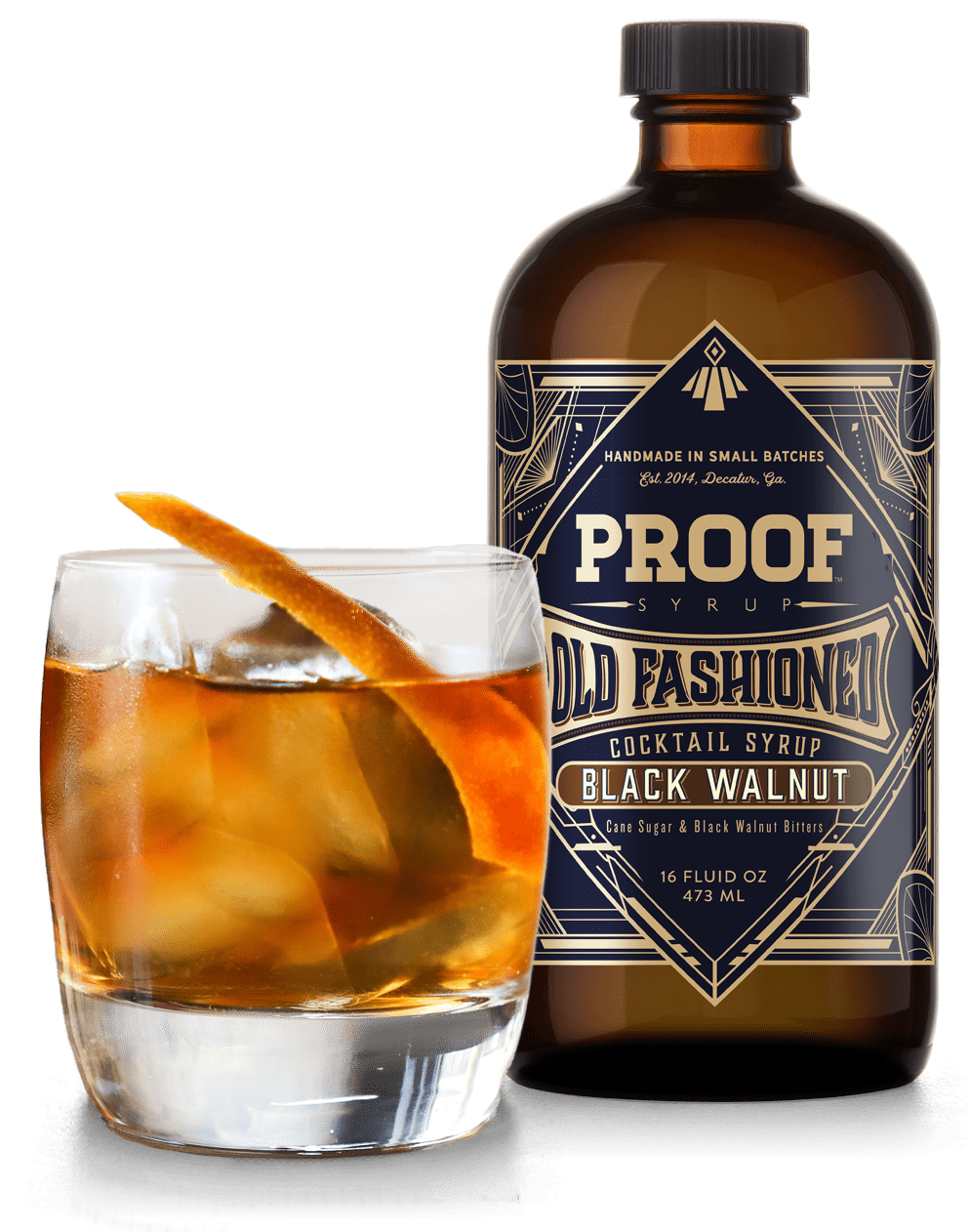

Most home bartenders learn one simple syrup recipe and never revisit it. Then a stirred drink comes out thin, or a shaken sour comes out cloying, and the blame lands on the whiskey. The actual culprit is usually the ratio. Rich simple syrup and simple syrup are not interchangeable, and knowing which one a drink wants is the difference between a cocktail that holds together and one that falls apart by the third sip. If you would rather skip the stove, a bottled Traditional Old Fashioned Syrup already sits at the richer end of that scale.
Rich simple syrup vs simple syrup: the actual difference
Standard simple syrup is one part sugar to one part water. Rich simple syrup is two parts sugar to one part water. That is the whole definition. What changes downstream is sugar concentration, viscosity, how much water lands in the glass, and how long the jar survives in the refrigerator.
| Attribute | Simple syrup (1:1) | Rich simple syrup (2:1) |
|---|---|---|
| Ratio | 1 part sugar to 1 part water | 2 parts sugar to 1 part water |
| Approximate sugar content | About 50 percent | About 65 percent |
| Sweetness per quarter ounce | Baseline | Roughly 1.3 times baseline |
| Viscosity | Thin, pours like water | Thick enough to coat a bar spoon |
| Water added to the drink | Half the pour is water | About a third of the pour is water |
| Refrigerated shelf life | Roughly two to four weeks | Roughly one to six months |
| Mouthfeel | Clean and light | Round, with a longer finish |
| Best for | Shaken sours, highballs, iced tea and coffee | Stirred spirit-forward drinks, old fashioneds, batching |
The conversion guide
You can substitute one for the other. You just have to do a little arithmetic first.
- Rich in place of standard: use about three quarters of the volume. A recipe calling for 0.75 oz of 1:1 wants roughly 0.5 oz of 2:1.
- Standard in place of rich: use about 1.3 times the volume. A quarter ounce of 2:1 becomes a scant third of an ounce of 1:1.
- Account for the water: going from 1:1 to 2:1 removes water from the glass. In a stirred drink, stir a few seconds longer. In a shaken drink, the ice usually covers the gap on its own.
What makes a great simple syrup
A syrup has one job in a cocktail, and it is not simply to add sugar. The sweetener slot is where balance actually lives. It carries sweetness, yes, but it also sets the texture of the drink and decides how long the finish runs. Two ounces of bourbon taste more or less the same in any glass. Swap the syrup and the entire drink reads differently.
That is why the ratio question matters more than most people expect. A thin syrup in a stirred old fashioned leaves the whiskey exposed and the texture watery. A rich syrup in a daiquiri buries the lime. The sugar is not a garnish on the recipe. It is a structural component, and it deserves the same attention you give the base spirit. Our breakdown of how much syrup belongs in an old fashioned gets into the measurements in more detail.
The stirred old fashioned that proves the point
Make this once with a 2:1 syrup and once with a 1:1 at the same volume. The difference is not subtle.
Ingredients
- 2 oz bourbon or rye
- 0.25 oz Traditional Old Fashioned Syrup
- 2 dashes aromatic bitters
- 1 large clear ice cube
- 1 wide strip of orange peel
Instructions
- Add the whiskey, syrup, and bitters to a mixing glass with cracked ice.
- Stir for 25 to 30 seconds, until the outside of the glass frosts.
- Place the large cube in a rocks glass and strain the drink over it.
- Express the orange peel over the surface, rub it around the rim, and drop it in.
- Taste before you adjust. If it reads thin, the syrup was too dilute, not the whiskey too weak.
Why the sweetener matters
Ratio is only half of it. What you dissolve matters as much as how much water you dissolve it in. Refined white sugar contributes sweetness and nothing else. Raw cane sugar brings a faint molasses character and a heavier body that reads as depth rather than sweetness, which is exactly what a spirit-forward drink needs. We covered that difference in raw cane sugar vs white sugar in cocktails.
Proof syrups are built on raw cane sugar in small batches at the rich end of the range, which is why a quarter ounce does the work a half ounce of homemade 1:1 would. The payoff shows up in the finish. The drink holds its shape as the ice melts instead of thinning out into whiskey and water.
Variations worth trying at the 2:1 ratio
Black Walnut
Ingredients: 2 oz rye, 0.25 oz Black Walnut syrup, 2 dashes aromatic bitters, orange peel.
Best for: cold weather and anyone who finds a standard old fashioned too straightforward. The nuttiness needs the body a rich syrup provides. At a 1:1 dilution it disappears. See the full black walnut old fashioned build.
Maple Bacon
Ingredients: 2 oz bourbon, 0.25 oz Maple Bacon syrup, 2 dashes bitters, wide orange peel.
Best for: brunch and skeptics. The savory edge only registers when the syrup has enough viscosity to coat the palate, so this is a poor candidate for thinning down.
Orange
Ingredients: 2 oz bourbon, 0.25 oz Orange syrup, 1 dash bitters, orange peel.
Best for: the one time a lighter hand is right. Citrus reads brighter with less sugar in the way, so start at a scant quarter ounce and build up.
Traditional, batched
Ingredients: 16 oz bourbon, 2 oz Traditional 8oz syrup, 16 dashes bitters, 3 oz cold water.
Best for: eight servings without standing at the mixing glass. Rich syrup batches better because you control dilution yourself with that measured water instead of inheriting it from the recipe.
Technique that makes either ratio behave
Weigh the sugar, do not scoop it
Ratios are by weight, not volume. A cup of sugar and a cup of water are not equal parts, and scooping is how people end up with a syrup that is neither 1:1 nor 2:1.
Do not boil it
Heat above a bare simmer drives off water and pushes your ratio somewhere you did not intend. Warm it just until the sugar dissolves, then pull it.
Bottle it cold and keep it cold
Rich syrup lasts longer because the sugar concentration suppresses microbial growth, but that advantage disappears if you pour it warm into a jar and leave it on the counter.
Adjust dilution, not sweetness
When a stirred drink tastes flat, the first instinct is to add syrup. Usually the fix is more stirring. Add sugar only after the temperature and dilution are where you want them.
Skip the stove
Making rich simple syrup at home is easy enough. Making the same rich simple syrup twice, with the same sugar and the same result, is the part that wears thin. If you would rather spend that attention on the whiskey, the full lineup lives in the old fashioned syrups collection, already at the ratio a stirred drink wants.