
Ask a bartender for a "rocks glass" and an "old fashioned glass" and most of the time you'll get handed the same thing. That's the source of a lot of confused shopping: people assume these are two distinct pieces of glassware, pick the wrong one, and worry they've ruined their home bar setup before they've even made a drink. Here's the short version: for casual, everyday use, a rocks glass and an old fashioned glass are the same glass. What actually changes the drink is the ice and what's in it, starting with a syrup like Traditional Proof Syrup that has enough body to hold up regardless of which glass it lands in.
There are real distinctions bartenders draw between glass styles, and they're worth knowing if you're buying glassware on purpose rather than by accident. But the glass is not where most home Old Fashioneds go wrong.
What Makes a Great Old Fashioned
Before getting into glassware, it's worth being clear about what actually makes this drink good, because it isn't the vessel. An Old Fashioned is three ingredients — spirit, sweetener, bitters — and the sweetener is not a rounding error in that list, it's a third of the recipe. A thin 1:1 simple syrup dissolves and vanishes, leaving a drink that's mostly just whiskey with a bitter edge. A raw cane syrup with real body and viscosity stays present through the whole glass, rounding out the proof of the spirit instead of getting lost in it. Put a good syrup in a mediocre glass and you still have a good drink. Put a bad syrup in a $40 crystal rocks glass and you have an expensive glass of watered-down bourbon.
The Recipe
Here's the build that makes the glass question mostly beside the point.
Classic Old Fashioned
Ingredients:
- 2 oz bourbon or rye whiskey
- 0.25–0.5 oz Traditional Proof Syrup
- 2 dashes aromatic bitters
- Orange peel, for garnish
- One large ice cube
Instructions:
- Add the whiskey, syrup, and bitters to a mixing glass with ice.
- Stir for 20–30 seconds, until well-chilled and lightly diluted.
- Strain into a rocks glass (or old fashioned glass — either works) over one large ice cube.
- Express the orange peel over the top and drop it in.
Make this in a $6 rocks glass from a big-box store or a heavy-bottomed old fashioned glass from a bar supply shop, and the difference in the finished drink is smaller than most people expect. For more on getting the syrup ratio right for your particular pour, see our ratio guide.
Why the Sweetener Matters
Proof Syrup is made in small batches from raw cane sugar rather than refined white sugar, hand-mixed and cooked in Atlanta, with no artificial preservatives. Raw cane sugar keeps more of its natural color and flavor than refined sugar, which gives the syrup real body — closer to a light molasses than to sugar water. That body is what lets the syrup do its job in any glass: it coats rather than dilutes, and it rounds off the sharper edges of a high-proof spirit instead of just sweetening it. This matters more to the finished drink than the glass it's served in.
Real Distinctions Worth Knowing
Double Old Fashioned (DOF)
A "double old fashioned" or DOF glass is a real, specific category — taller and higher-volume than a standard rocks glass, usually 12 to 16 ounces versus 8 to 10. It's built for drinks with more ice and more liquid, like a stirred cocktail over a large format ice cube plus a splash of soda, or for bartenders who like extra headroom when stirring tableside.
The "True" Old Fashioned Glass
Some glassware collectors and bar historians use "old fashioned glass" to mean a specific older style: a short, wide tumbler with a noticeably heavier base, designed originally so bartenders could muddle a sugar cube directly in the glass before ice and spirit went in. Since Proof Syrup is already dissolved, there's nothing to muddle, so this distinction matters more to collectors than to your actual drink.
Rocks Glass, More Broadly
"Rocks glass" is the more general, casual term — any short tumbler meant to be served "on the rocks." It covers old fashioned glasses, DOFs, and plain everyday tumblers alike. If a bartender says "rocks glass," they usually mean whatever short glass is closest at hand.
Variations to Pour in Whatever Glass You Own
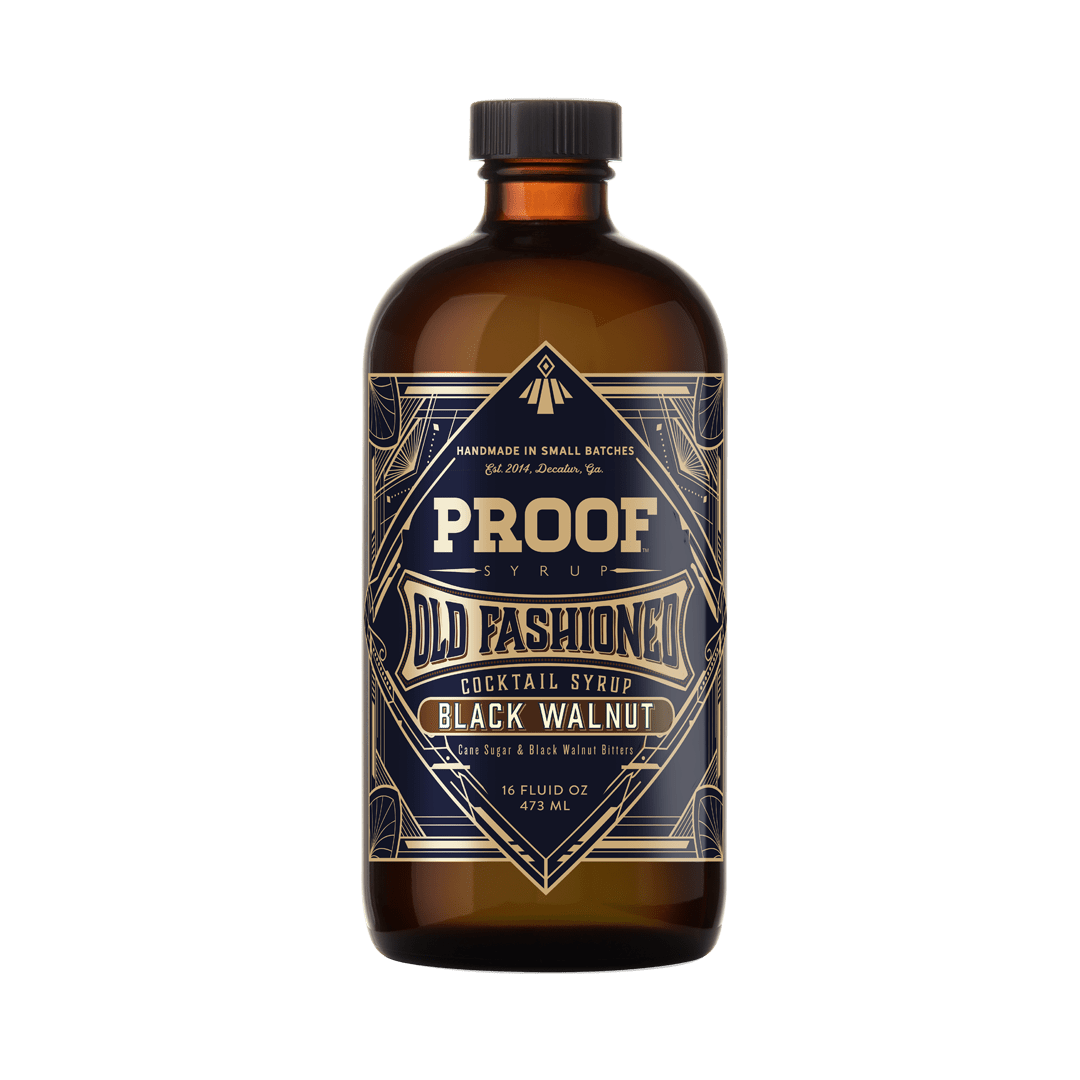
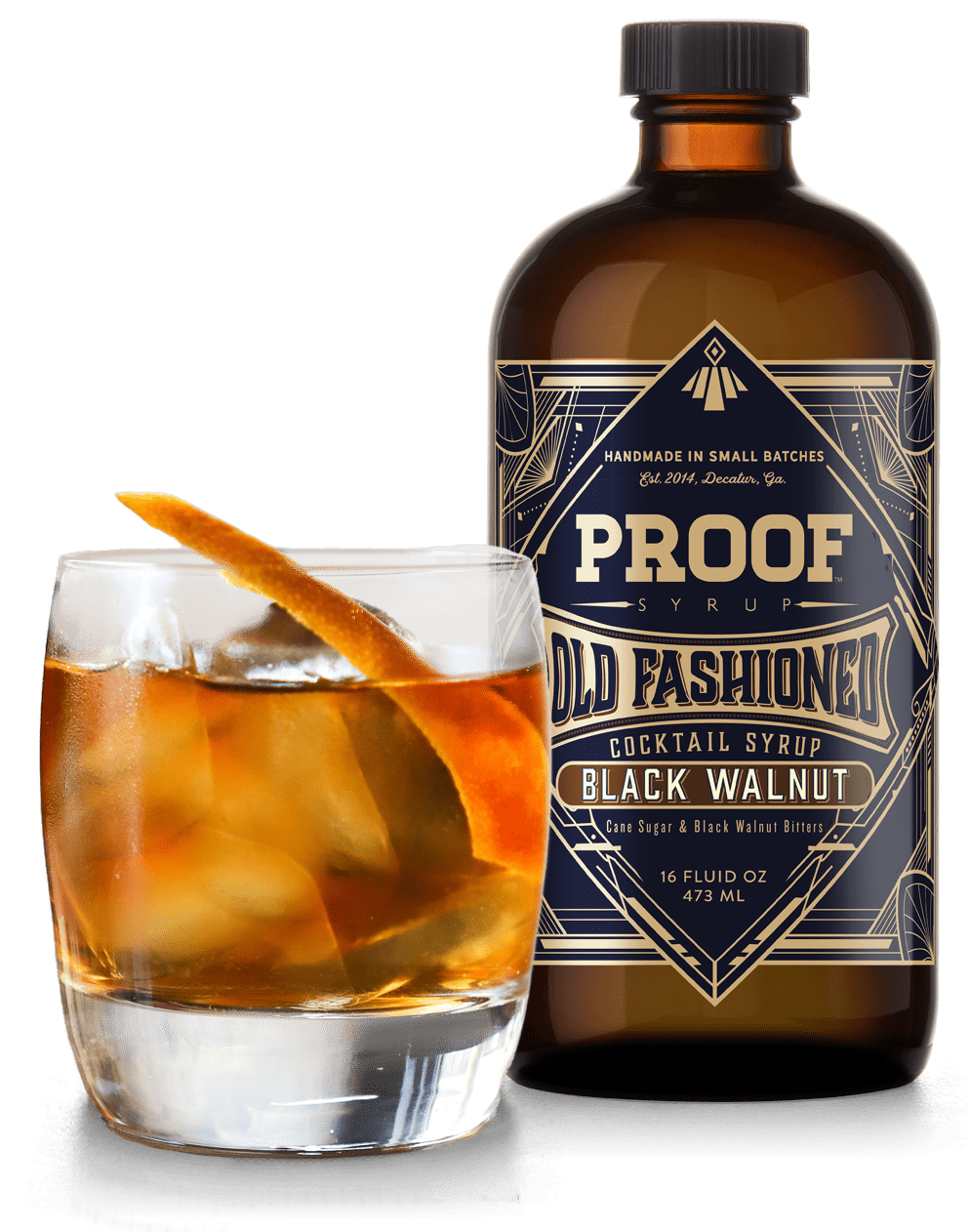
Black Walnut
Ingredients: 2 oz bourbon, 0.5 oz Black Walnut Proof Syrup, 2 dashes bitters, orange peel
Best for: cooler months and richer, older bourbons that can stand up to a warmer, nuttier syrup.
Orange
Ingredients: 2 oz rye, 0.5 oz Orange Proof Syrup, 2 dashes bitters, orange peel
Best for: a brighter, more citrus-forward glass, especially with rye instead of bourbon.
Maple Bacon
Ingredients: 2 oz bourbon, 0.5 oz Maple Bacon Proof Syrup, 2 dashes bitters, orange peel
Best for: a savory, conversation-starting variation for anyone who already likes the classic build.
Traditional, in Bulk
If Old Fashioneds are a nightly habit rather than an occasional drink, the Traditional 8oz bottle is built for that pour frequency and lasts noticeably longer than the standard size.
Best for: the person who already knows which glass they like and just needs to stop running out of syrup.
What Actually Matters More Than the Glass Name
A Heavy Base
Whatever you call it, a glass with a heavy, thick base sits more solidly on a bar top and feels better in hand. That's a real, noticeable difference — it just has nothing to do with the label on the box.
Room for One Large Cube
The single biggest upgrade most home bars can make isn't a different glass, it's a bigger ice cube. A large-format cube (roughly 2 inches) melts slower than several small ones, which keeps the drink cold without diluting it into water by the second sip. Make sure whatever glass you're using has room for one big cube plus the liquid.
Match the Glass to the Volume, Not the Name
If you like a splash of soda or extra ice, reach for something closer to a DOF. If you're pouring a straightforward 2-ounce build, a standard rocks or old fashioned glass is plenty. Buy for the drink you actually make, not for the most technically correct name.
Don't Let Glassware Gatekeep the Drink
A good Old Fashioned made in a juice glass with a good syrup will beat a bad one made in the "correct" glass every time. Start with the syrup and the ratio, and let the glass be the last decision, not the first.
Where to Go From Here
If the glass debate got you here, the syrup is the part actually worth getting right. Browse the full Proof Syrup lineup and pick whichever flavor matches how you actually drink your Old Fashioned — the glass, honestly, will be fine either way.