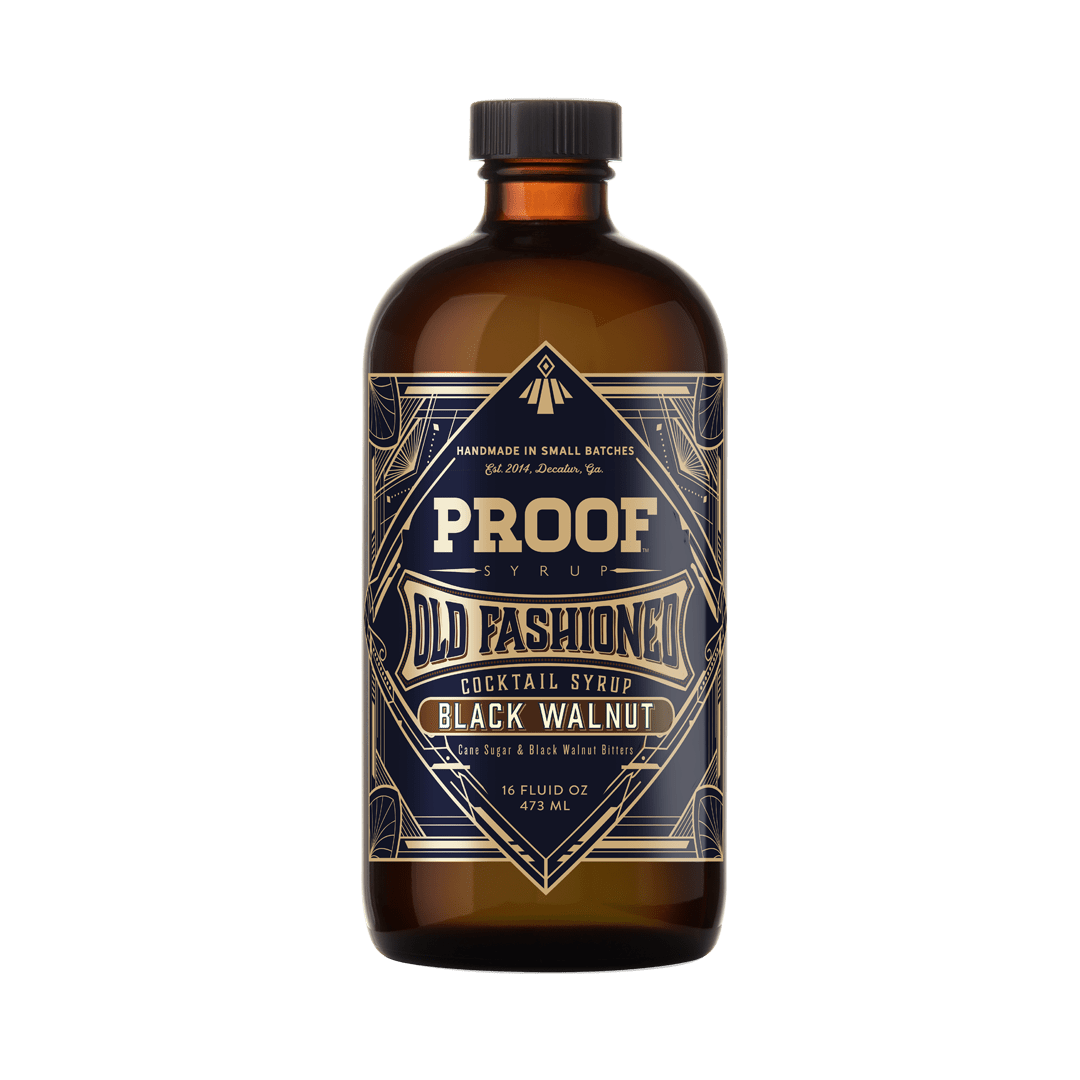

The usual mistake when choosing a cocktail syrup is shopping by the front of the bottle. Pretty label, nice flavor name, done. The back of the bottle tells you far more, and it takes about 30 seconds to read. Do it once and you will know within a glass whether a syrup is worth keeping, and why a bottle of Traditional Old Fashioned Syrup tastes different from the thin stuff at the grocery store.
Here is the checklist, followed by a simple taste test you can run at home with one drink and one afternoon.
What makes a great cocktail syrup
Think of a cocktail as slots. In an old fashioned you have a base spirit, bitters, dilution, and a sweetener. Most people spend their money and attention on the spirit. But the sweetener slot is the only one that determines texture and the length of the finish, and it is the one that is hardest to fix after the fact. A great syrup does three jobs at once: it sweetens, it adds body, and it supports the whiskey rather than covering it.
That leads to five checks, which you can run in about the time it takes to turn the bottle around.
1. Read the first ingredient
It should name a real sugar: raw cane sugar, demerara, or something similarly specific. If the first ingredient is "sugar" next to "high fructose corn syrup" or "natural flavors," you are buying sweetness with nothing behind it. We go deeper on the difference in demerara syrup vs raw cane sugar in cocktails.
2. Count the ingredients
Short is good. Sugar, water, and one or two flavor sources is a normal list. If you see preservatives, colorants, and a paragraph of Latin, the syrup is built for shelf life, not your glass.
3. Look for how it is made
Words like "small batch" are not regulated, so treat them as a prompt for questions, not an answer. A maker who explains the process is usually proud of it. Our own answer is in what is in Proof syrup and how it is made, and the broader comparison is in small batch vs mass produced cocktail syrup.
4. Check the serving math
A good syrup tells you how much to pour and how many drinks a bottle makes. A bottle of Proof makes about 32 cocktails. A syrup that needs a big pour per drink is not cheaper per drink, even if the bottle looks like a bargain.
5. Ask whether it replaces steps
The point of buying a syrup is to skip muddling a sugar cube and guessing at the water. If the label tells you to add lemon, water, and a pinch of something else, it is a starting kit, not a finished component.
The taste test old fashioned
The old fashioned is the best way to judge a syrup because there is nowhere to hide. No juice, no soda, no strong liqueur. Make it the same way with each syrup you are comparing, with the same whiskey, and the differences are obvious.
Ingredients
- 2 oz bourbon you know well
- 1 bar spoon (about 1/4 oz) syrup, adjusted per the bottle; use the same amount each time
- 2 dashes aromatic bitters
- 1 large ice cube
- Orange peel
Instructions
- Add the syrup and bitters to a mixing glass.
- Add the bourbon and fill the glass with ice.
- Stir for 20 seconds, then strain over a large cube in a rocks glass.
- Smell first. Then taste, once right away and once after two minutes.
- Score it: does it have body, does it taste like sugar or like something with depth, and how long does the finish last.
Why the sweetener matters
When people run the test, the same three things show up. A thin syrup tastes sweet for a second and then leaves. A flavored-sugar-water syrup tastes like the flavor name, and not much else. A syrup made from raw cane sugar in small batches tastes rounder, with a bit of molasses in the middle and a finish that stays after the swallow. That is the body and finish we build Proof around, and it is why we say the sweetener is the component that makes the drink.
It is also why the cheap fix does not work. Adding more bitters or a better whiskey will not give a thin syrup weight. The slot has to be filled by something that can carry it.
Variations: run the test with a different flavor
Traditional, the control
Ingredients
- 2 oz bourbon
- 1 bar spoon Traditional Old Fashioned Syrup
- 2 dashes bitters, orange peel
Best for: setting your baseline. If you like this one, you know what you like in a syrup.
Maple Bacon, for smoke and savory
Ingredients
- 2 oz rye
- 1 bar spoon Maple Bacon Syrup
- 2 dashes bitters, orange peel
Best for: testing whether a flavored syrup tastes like an ingredient or like a candy.
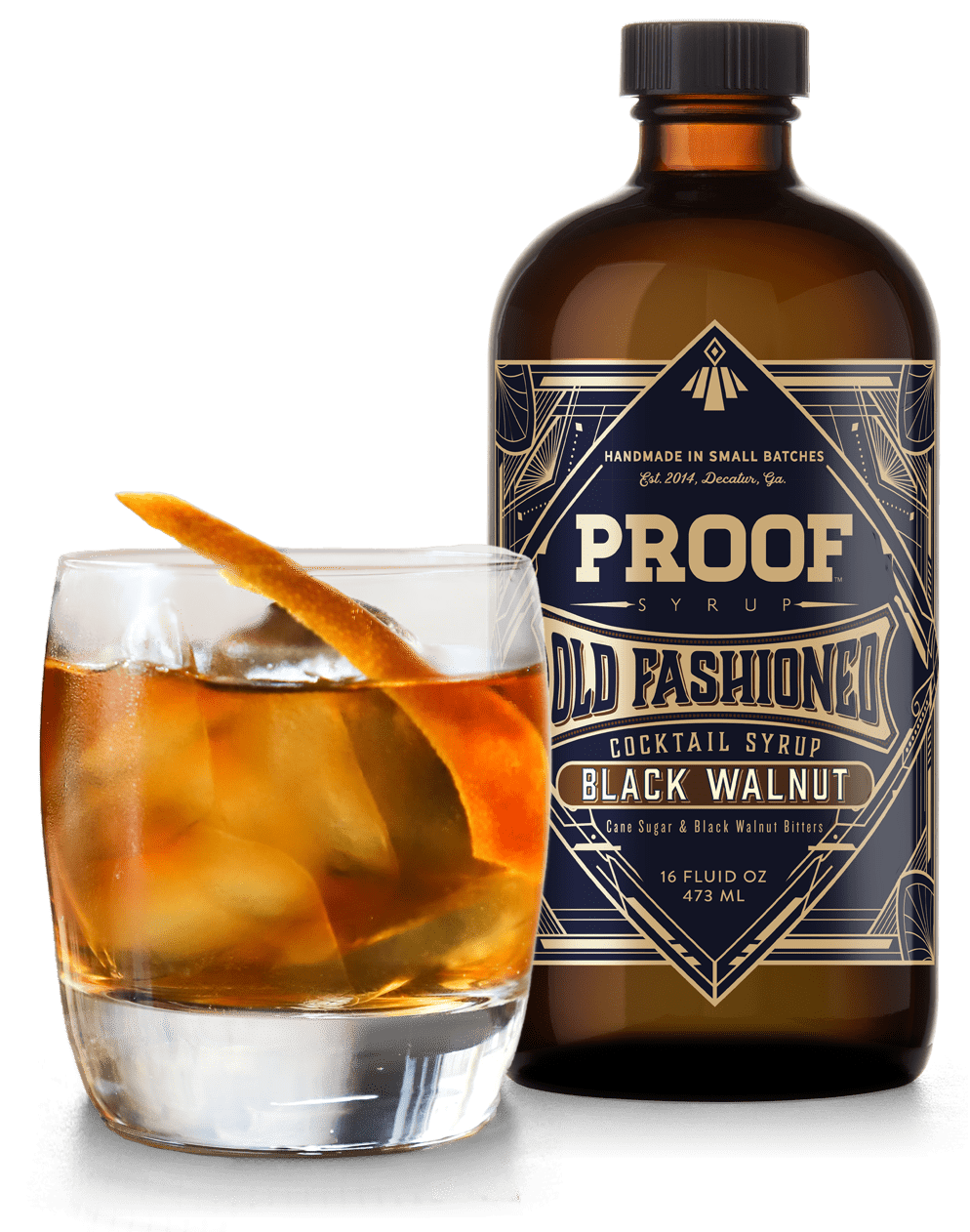
Black Walnut, for depth
Ingredients
- 2 oz bourbon
- 1 bar spoon Black Walnut Syrup
- 2 dashes bitters, orange peel
Best for: checking how a syrup handles bitterness and earthy notes without turning muddy.
Tips for a fair taste test
Change one thing at a time
Same glass, same whiskey, same ice, same pour. If you swap the bourbon, you are testing the bourbon.
Taste it twice
The first sip tells you about sweetness. The second, two minutes later after dilution, tells you about body. Many syrups fall apart on the second sip.
Keep water and crackers nearby
A plain cracker and a sip of water between drinks resets your palate. Three drinks in a row without a reset will all taste the same.
Do not judge by sweetness alone
Sweetness is the easy part. Judge the finish, the weight on the tongue, and whether the whiskey still tastes like whiskey.
Ready to taste for yourself
Pick a bottle and run the test. Start with the old fashioned syrups for the classic and a flavor or two, or browse everything we make. Read the back of the bottle first. That is the point.