
The usual mistake with a New York Sour is treating the wine like a garnish. People pour it fast, it sinks, and what should be two drinks in one glass turns into muddy purple lemonade. The float is the whole point. The second mistake is quieter: a thin, watery sour underneath that gives the wine nothing to sit on. Fix both and you get a drink that tastes like a bright whiskey sour on the first sip and like dark fruit on the last. Start with a real sweetener, Traditional Proof Syrup, and the rest is technique.
What makes a great New York Sour
A New York Sour is a whiskey sour with a red wine float. Three things have to work: the whiskey, the citrus, and the sweetener. Most people fuss over the first two and then grab whatever sugar is nearest. That is backwards. In a spirit-forward drink the sweetener is a third of the cocktail, and it is doing more than making things sweet. It carries the body, the texture on the tongue, and the length of the finish.
Standard 1:1 simple syrup is mostly water. Pour half an ounce of it into a shaker and you have added water to a drink that is about to pick up more water from the ice. The first sip reads fine. The finish falls apart, thin and sharp and over in a second. A denser raw cane syrup does the opposite. It holds the lemon up, gives the wine something to sit on, and keeps the drink tasting like a drink down to the last third of the glass.
How to make a New York Sour
This is a two-ounce build. Rye is traditional and keeps the drink dry. Bourbon works and reads rounder.
Ingredients
- 2 oz rye whiskey or bourbon
- 3/4 oz fresh lemon juice
- 1/2 oz Traditional Proof Syrup
- 1/2 oz dry red wine for the float, such as Malbec, Syrah, or Zinfandel
- Optional: 1/2 oz egg white
Instructions
- Add the whiskey, lemon juice, and syrup to a shaker. If you are using egg white, add it now and dry shake with no ice for ten seconds.
- Fill the shaker with ice and shake hard for twelve to fifteen seconds, until the tin is too cold to hold comfortably.
- Strain into a rocks glass over one large cube, or into a chilled coupe with no ice at all.
- Wait five seconds and let the surface go still. A moving drink will not hold a float.
- Pour the wine slowly over the back of a bar spoon held just above the surface, working from the center out.
- Serve without stirring. The drinker mixes it as they go, and the drink changes from top to bottom.
Why the sweetener matters
Proof Syrup is made in small batches with raw cane sugar rather than refined white sugar thinned with water. Raw cane brings a faint molasses edge that reads as depth instead of sweetness, which is what you want sitting between lemon acid and wine tannin. It is also thicker than 1:1, so that half ounce contributes actual weight to the glass instead of disappearing.
The less glamorous argument is consistency. Homemade simple syrup drifts. You eyeball the water, it reduces on the stove, it thins in the fridge, and your sour is a slightly different drink every week. A bottled syrup pours the same in March as it does in December. If you want to dial in a ratio and keep it, you need a fixed starting point. Bottles come in 8 oz, and if you host often there is a 12-bottle case.
Two variations worth making
Black Walnut New York Sour
Ingredients
- 2 oz rye whiskey
- 3/4 oz lemon juice
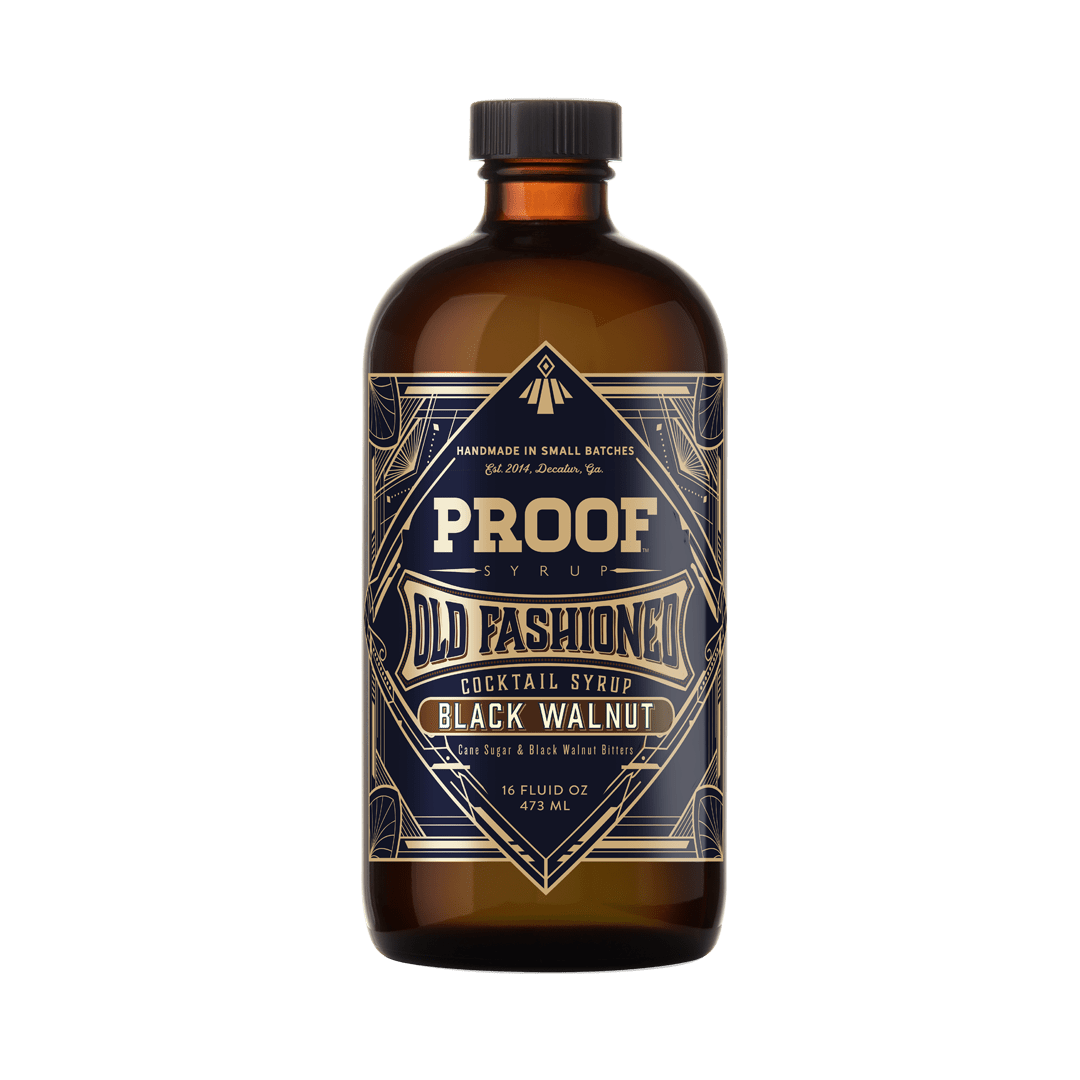
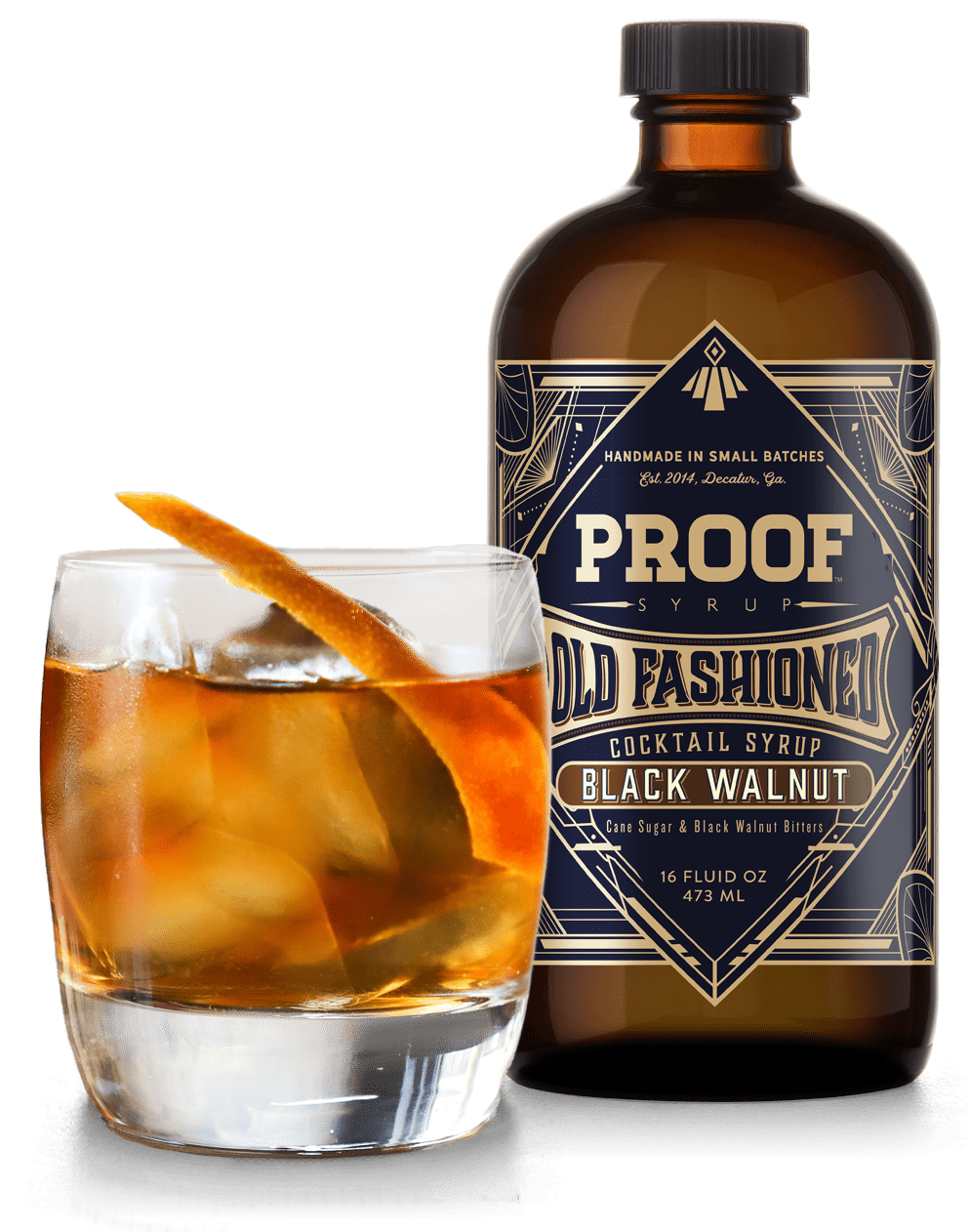
- 1/2 oz Black Walnut Proof Syrup
- 1/2 oz Syrah, floated
Black walnut has a dry, slightly bitter edge that meets red wine tannin instead of fighting it. The drink gets darker in every sense.
Best for: cold weather, and anyone who finds standard sours too bright.
Maple Bacon New York Sour
Ingredients
- 2 oz bourbon
- 3/4 oz lemon juice
- 1/2 oz Maple Bacon Proof Syrup
- 1/2 oz Zinfandel, floated
The savory maple note behaves like a pinch of salt against the wine's dark fruit, sharpening the lemon and stretching the finish well past where a standard sour stops.
Best for: fall gatherings, smoked food, and people who want the drink to argue back a little.
Technique that actually changes the drink
Float off the spoon, not off the bottle
Hold a bar spoon convex side up, tip touching the inside of the glass just above the liquid, and pour onto the back of it. The wine spreads sideways instead of punching down. If you have no bar spoon, the back of a regular teaspoon works. Pouring straight from the bottle almost never works.
Pick a wine with tannin and little oak
Fruit-forward and dry is the target. Malbec, Syrah, and Zinfandel all have enough color and grip to stay distinct. Heavily oaked Cabernet turns woody against lemon, and anything off-dry makes the drink cloying. Density helps the float too, which is why a slightly sweeter Zinfandel layers so easily.
Shake for dilution, not just cold
A hard twelve-to-fifteen-second shake adds roughly a quarter ounce of water. That is not a flaw, it is an ingredient, and it is why an under-shaken sour tastes harsh and boozy. If you are serving up in a coupe, shake a couple of seconds longer since there is no ice in the glass to keep the drink honest.
Use one large cube
Small ice melts fast, and the drink you built carefully becomes a different drink four minutes later. One large cube keeps the sour cold and keeps the wine layer intact longer, since there is less surface churn under the float.
Start with the sweetener
The whiskey gets all the attention and the wine gets all the photos, but the sweetener is what decides whether the drink has a finish. Pick one with body, measure it, and stop guessing. You can see the whole lineup at the full Proof Syrup collection, or start with Traditional and work outward from there.