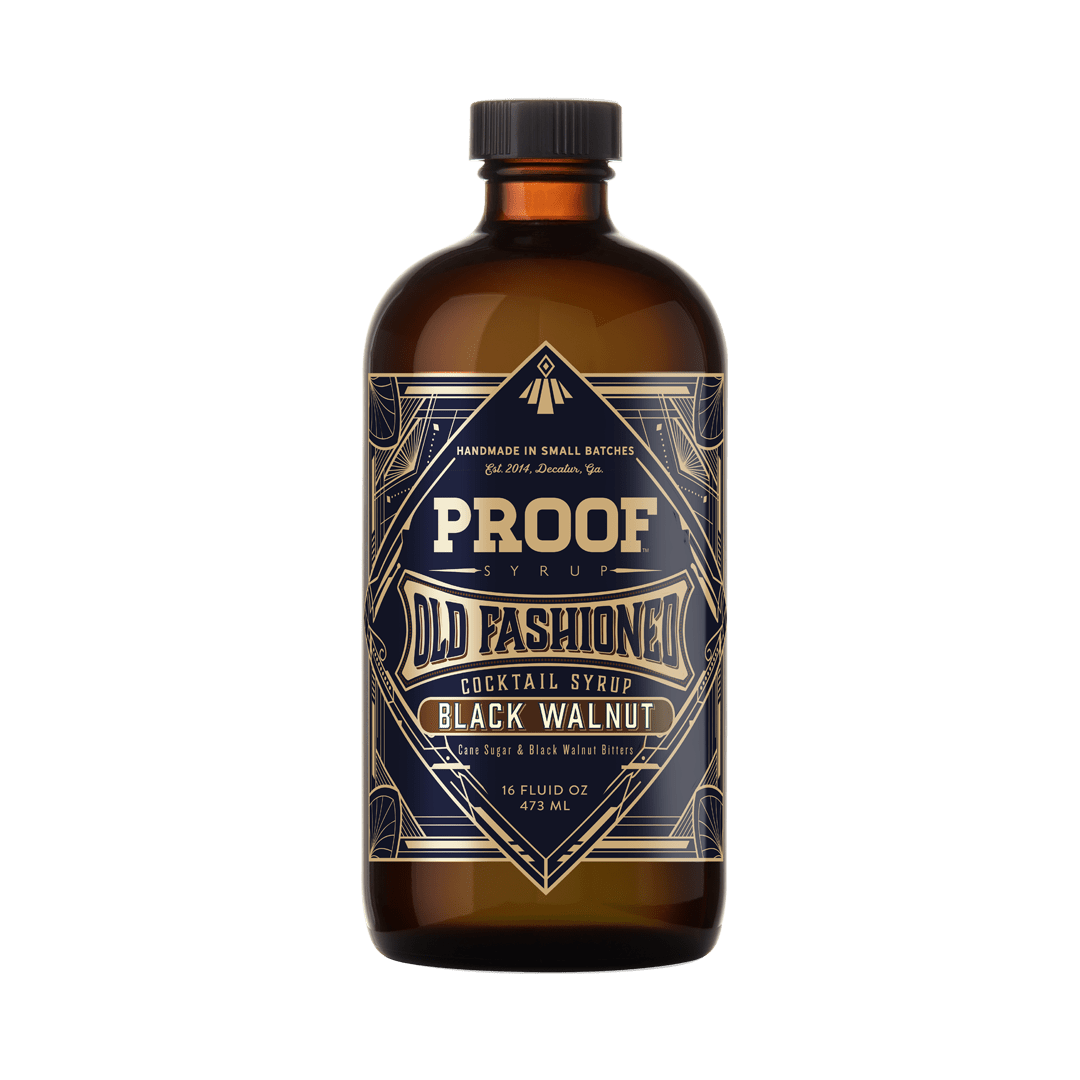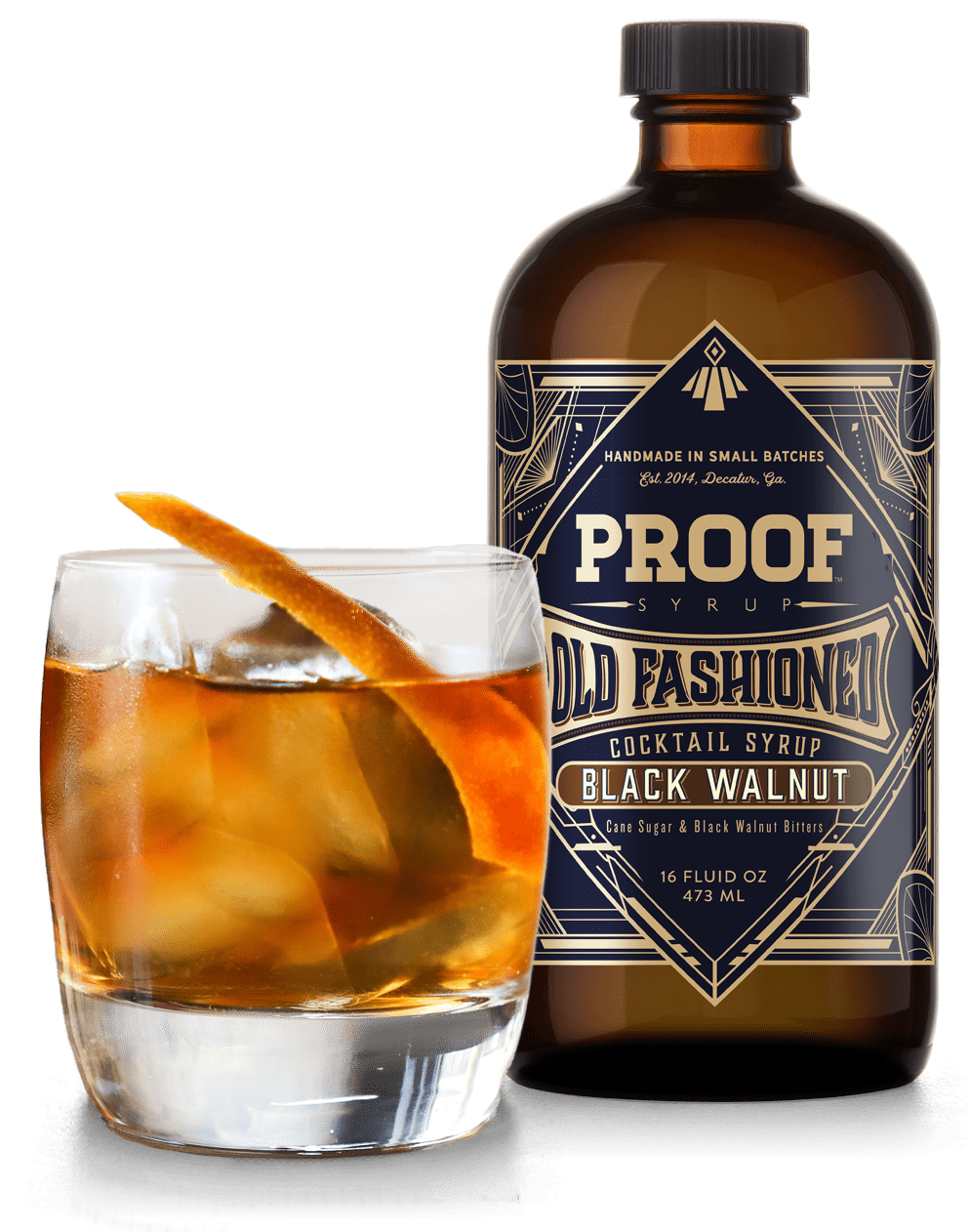

The common mistake for a bar building an Old Fashioned menu item is treating syrup as something the well-trained bartender makes fresh, every shift, forever. That works until someone new is on the rail, or the batch that day is a little heavier on sugar than last week's, and the drink that goes out at 9pm doesn't taste like the one that went out at 7. The fix is buying a syrup that's already consistent, like Proof Traditional, so the drink is the same regardless of who's behind the bar.
This isn't a pitch for a formal wholesale program — Proof doesn't have net terms or a published bulk discount schedule, and it would be wrong to imply otherwise. What follows is what to actually look for when you're sourcing syrup for a bar or restaurant, and how to size an order to your volume.
The syrup is the component that actually makes the drink
Spirit selection gets most of the attention on a cocktail menu, and the sweetener gets treated as an afterthought. That's backwards for anything built on a 2:1 spirit-to-modifier ratio like an Old Fashioned. A syrup made with raw cane sugar in small batches gives real body and a clean finish; a corn-syrup-based mixer gives you sweetness and not much else. If the syrup is inconsistent or thin, no amount of bartender skill fixes the drink that leaves the rail.
What to actually look for in a syrup vendor
Batch-to-batch consistency
The whole point of buying instead of making in-house is that bottle #40 tastes like bottle #1. Ask any vendor how they control for that, and if the answer is vague, treat it as a red flag.
Shelf stability
A syrup that needs constant refrigeration or has a short shelf life adds handling cost you didn't budget for. Proof's Old Fashioned syrups — Traditional, Black Walnut, Maple Bacon — hold for up to two years unopened, which matters when you're storing case quantities in a back room, not a walk-in.
Case-quantity economics
Buying by the case instead of by the bottle is simply cheaper per unit, and it means fewer reorders during a busy season. That's the practical argument for a case purchase over piecing together bottles as you run low.
No prep-labor cost
House-made syrup isn't free. Someone's paid hourly to make it, and that time doesn't show up on a syrup invoice but it's a real cost. A pre-made syrup removes that line item entirely — no simmering sugar and citrus peel during prep shift, no batch that gets thrown out because it sat too long.
A simple example of consistency
Same drink, same syrup, every time, regardless of who's on shift.
Old Fashioned
Ingredients:
- 2 oz bourbon or rye
- 0.25 oz Traditional Proof Syrup
- 2 dashes aromatic bitters
- Large ice cube
- Orange peel, for garnish
Instructions:
- Add syrup and bitters to a rocks glass.
- Add the whiskey and stir briefly.
- Add a large ice cube and stir about 20 seconds until cold and slightly diluted.
- Express the orange peel over the glass and drop it in.
We've written up the exact ratio math separately if you want to standardize your own recipe card: how much syrup belongs in an Old Fashioned. And if you're deciding which syrup fits your menu at all, our breakdown of the best syrup for an Old Fashioned covers the same ground from the drinker's side of the bar.
Where to actually start sourcing
For a single bar or a small restaurant program, the Bulk 12-Bottle Case is the accessible entry point — it's sized for testing a syrup across a menu without committing to anything larger, and it ships like any other order. If your volume is bigger than a case covers, or you're sourcing for multiple locations, reach out directly rather than assuming a standard bulk rate exists; pricing and terms for that scale aren't something we'll promise here without confirming them first.
Options depending on what's on your menu
Traditional
Best for: the house Old Fashioned, or any menu with one syrup doing most of the work.
Black Walnut
Best for: a premium or seasonal menu add, richer and nuttier than Traditional. Made in a facility that processes tree nuts, which is worth flagging to guests with allergies.
Orange
Best for: a citrus-forward cocktail or a nut-free menu option. It's built on fresh citrus oils, so plan usage against a shorter open shelf life than the Old Fashioned lineup, not a two-year runway.
Maple Bacon
Best for: a signature or limited-time cocktail meant to be a talking point. Smoky-savory, not vegan, and not a fit for a standard well syrup.
A few practical things to plan around
Order ahead of your busy season, not during it
Case orders take the same lead time as any shipped product. Order before the holidays hit, not the week of.
Standardize the pour with a recipe card
Consistency isn't just the syrup's job — write the exact measurement down so every bartender pours the same amount.
Plan storage around shelf stability, not refrigeration
Unopened Old Fashioned syrups don't need cold storage, which simplifies back-of-house space planning.
Confirm larger-volume needs directly
If a case doesn't cover your pour volume, that's a conversation to have directly rather than a rate to assume from a product page.
Start with a case
Test it on your own menu before committing further: the Bulk 12-Bottle Case is the straightforward way in, and the full collection shows every flavor it's available in.