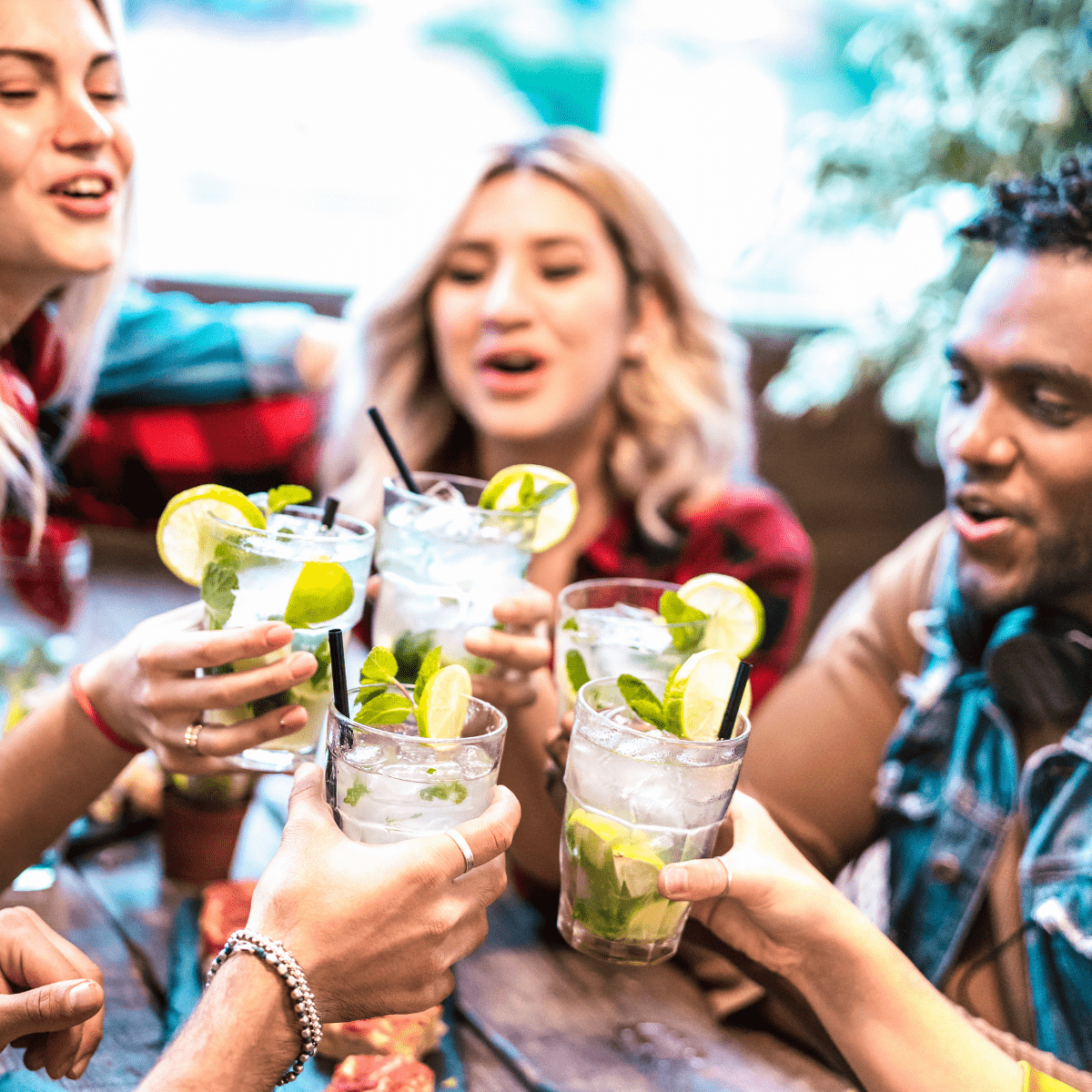


When it comes to making a great margarita, the tequila you choose plays a starring role. The right bottle can elevate your cocktail from ordinary to exceptional, adding depth and character that blends beautifully with fresh lime and a quality cocktail syrup. Whether you prefer a smooth sip or a bold punch, understanding the types of tequila available will help you craft better margaritas every time.
The First Decision: Mixto or 100% Agave
Before price point or style, one label distinction matters more than any other: whether the tequila is made from 100% blue agave.
Tequila labeled simply as "tequila" without further specification is often a mixto, a blend that can contain as little as 51% agave sugar, with the rest coming from other sugars added during fermentation. The result is thinner, harsher, and less complex — and no amount of lime will hide it.
To identify a quality bottle, look for "100% de agave" or "100% agave azul" on the label. This is not premium marketing language; it is a legal designation regulated by the Tequila Regulatory Council in Mexico. If the phrase is not there, assume it is a mixto and put it back.
One related issue worth knowing: some 100% agave tequilas still use undisclosed additives — glycerin for smoothness, caramel for color, oak extract for the illusion of age. Brands that are certified additive-free say so. This matters most in a margarita, where the agave character should come through clearly rather than being smoothed into anonymity.
Understanding Tequila Types for Margaritas
Blanco (Silver) Tequila
Blanco tequila is unaged or rested for less than two months. It is the most direct expression of the agave itself: bright, herbaceous, sometimes peppery, occasionally vegetal in the best possible way. Those high-toned citrus and floral notes are exactly what a margarita wants — nothing gets in the way of the lime, nothing competes with the sweetener. This is the default choice for a classic margarita.
Reposado Tequila
Reposado means "rested" and refers to tequila aged between two months and one year in oak. The wood adds vanilla, caramel, and mild spice that softens the sharpness of a fresh blanco. Reposado margaritas are rounder and warmer, and they handle batching especially well because the flavor holds its character over ice longer than a bright blanco does. If your guests tend toward whiskey, a reposado margarita bridges the gap without anyone compromising.
Añejo Tequila
Añejo is aged one to three years, offering deeper flavors such as toasted oak, butterscotch, and spice. Honestly, it is too far down the barrel for a margarita. The oak character overwhelms the citrus, the cost is hard to justify in a shaken drink, and the agave gets buried under wood that is better appreciated neat. Save it for sipping.

Top Tequila Picks by Price
Choosing a good tequila doesn’t mean breaking the bank. These are all 100% agave and all genuinely good in a margarita.
Under $30
- Cimarron Blanco — the quiet recommendation that circulates among serious home bartenders. Clean, slightly grassy, with enough agave character to hold up against citrus. One of the best-value bottles in any category.
- Espolòn Blanco — more brand recognition, still priced well. A crisp, vibrant profile with notes of citrus and pepper that pairs beautifully with fresh lime and a salted rim.
- El Jimador Blanco — clean and fresh, and versatile enough to adapt to any margarita variation you throw at it.
$30 to $45
- Olmeca Altos Plata or Reposado — a consistent bartender favorite. Herbal, slightly sweet agave with a round mouthfeel that pairs naturally with citrus-forward syrups.
- Lalo Blanco — newer, but it earned attention fast. Pronounced agave character, certified additive-free, and it feels a tier above its price.
- Don Julio Blanco or Reposado — the safe answer when you want a recognizable label on the table. Versatile and consistent, if not surprising.
$50 and Above
- Fortaleza Blanco — made using a tahona wheel, a traditional volcanic stone that crushes the cooked agave before fermentation. Richer, slightly more rustic, with a long finish. One of the few blancos that genuinely improves a margarita at this tier.
- Siete Leguas Blanco — a highland tequila with a floral, almost perfumed quality that reads as elegant rather than fussy.
- Herradura Silver — bold agave with a hint of sweetness, excellent when you want the tequila to lead.
The Other Half of the Equation
Most margarita guides stop at the tequila. That is where they go wrong. In a three-ingredient drink, the sweetener is a third of the glass.
Triple sec, the most common margarita sweetener, adds orange liqueur flavor and more alcohol to an already spirit-forward drink, and it locks you into a balance that is hard to adjust once it is in the shaker. Commercial margarita mixes are worse: corn syrup, artificial citrus flavoring, and preservatives that flatten every good thing the tequila brings.
Traditional Proof Syrup replaces both the triple sec and the simple syrup in one pour. It is made in small batches using organic cane sugar, real citrus oils, and aromatic bitters, with no preservatives. The citrus is clean and forward, and the sweetness is restrained rather than cloying, which means it amplifies the tequila instead of burying it — and it does not add a second dose of alcohol. The bitters give the drink a faint aromatic edge a triple sec margarita does not have, which most people prefer once they try it.
The Build
- 2 oz blanco or reposado tequila
- 1 oz Traditional Proof Syrup
- 3/4 oz fresh lime juice
- Kosher salt for the rim, and ice
Salt the rim by running a lime wedge around the outer edge and pressing it into a shallow dish of kosher salt. Combine everything in a shaker with ice, shake hard for 10 to 12 seconds, and strain over fresh ice — or up, in a chilled coupe.
Matching Syrup With Tequila
- Bright, clean blancos let the citrus oils carry the drink. The tequila provides the agave backbone while the syrup lifts and opens it. The result tastes alive and fresh, with agave and citrus moving in the same direction.
- Fuller reposados interact differently. The vanilla and caramel from the barrel create a richness the citrus cuts through cleanly. These margaritas feel weightier and suit cooler-weather entertaining.
- For something entirely different, the same syrup with mezcal and a smoked salt rim turns the same ratio into a smoky, savory drink.

Tips for Crafting the Perfect Margarita at Home
Use Fresh Ingredients
Fresh lime juice is essential. Bottled lime juice tastes artificial and dulls the cocktail’s brightness. Roll the limes under your palm before cutting to get more juice out of them.
Measure Your Ingredients
Even with a pre-balanced syrup, measure. A free pour of syrup lands anywhere between a half ounce and a full ounce, which is the difference between a crisp drink and a sweet one. Two parts tequila to one part syrup is the starting ratio; adjust from there.
Shake, Don’t Stir
Anything with citrus in it wants a hard shake. Ten to twelve seconds chills, dilutes, and aerates the drink properly. Stirring a margarita leaves it flat and under-diluted.
Garnish Thoughtfully
A salted rim is classic, but chili salt or Tajín adds heat and brightness in one coating. Half-rimming lets the drinker choose how much salt they get with each sip. A lime wheel adds a visual finish and a hint of fresh aroma.
Storing and Using Syrups for Consistent Flavor
Proof Syrup’s cocktail syrups are made with fresh, natural ingredients and no preservatives, so proper storage matters.
- Keep unopened bottles in a cool, dark place.
- Once opened, refrigerate and shake well before each use.
- Use within the recommended shelf life for the best flavor.
- Watch for cloudiness, separation, or off smells — all signs to discard.
What This Means for Your Home Bar
Most home bars do not need a different tequila for every occasion. A mid-range blanco paired with a quality citrus syrup covers nearly every situation: weekend drinks for two, a batch for eight guests, a quick weeknight margarita before dinner. If you are entertaining and want the bottle to be part of the impression, a tahona-produced blanco raises the ceiling. The ratio and the technique stay exactly the same.
Discover the Proof Syrup Difference for Your Margaritas
Ready to take your margaritas to the next level? Our all-natural cocktail syrups are designed for simplicity and excellence, giving you the perfect blend of flavor with every pour. Shop Now and experience the difference in your home bar.