

Making a whiskey sour at home can feel like a lot of work. Fresh lemon juice, sugar, bitters, and the right balance of flavors all matter. But what if you could skip the measuring and guesswork and still pour a perfectly balanced cocktail? A quality cocktail syrup handles the sweetener slot for you, and that single swap is the difference between a whiskey sour that is merely drinkable and one that tastes like it came from a craft bar.
Why the Syrup You Use Matters
Traditional whiskey sours call for fresh lemon juice, simple syrup, and bitters, and getting that balance right every time takes practice. Most guides treat the sweetener as an afterthought: add simple syrup, move on. But in a three-ingredient cocktail, every component carries weight. The sweetener is doing roughly a third of the flavor work, and a plain white sugar syrup contributes nothing beyond sweetness.
Proof Syrup Traditional is the brand's classic expression: a rich cane syrup with genuine body and depth that a standard 1:1 simple syrup does not have. It also dissolves instantly in cold liquid, so there is no grit, no undissolved crystals, and no extra muddling step. Your first sip and your last sip taste the same.
What Makes It Work
- Consistent sweetness: every pour lands in the same place, so you are adjusting to taste rather than correcting mistakes.
- Natural ingredients: organic cane sugar and real flavoring ingredients, no preservatives.
- Vegan and gluten-free: suitable for most dietary preferences, with a few exceptions such as Maple Bacon.

The Classic Whiskey Sour Recipe
The whiskey sour belongs to the sour family of cocktails, a category built on the 2:1:1 ratio: two parts spirit, one part sour, one part sweet. The classic whiskey sour recipe codifies this as the standard form, and it is the right starting point before you adjust to taste.
Ingredients:
- 2 oz bourbon
- 3/4 oz fresh lemon juice
- 3/4 oz Proof Syrup Traditional
- 1 egg white (optional, but recommended)
- Garnish: cherry and orange wheel, or an expressed lemon peel
Instructions:
- If using egg white, add all ingredients to a shaker without ice. Seal and shake hard for 10 to 15 seconds. This is the dry shake, and it builds the foam.
- Add a generous scoop of ice to the shaker.
- Shake again for 10 to 15 seconds, until the shaker is very cold.
- Strain into a chilled coupe, or into a rocks glass over fresh ice.
- Garnish and serve.
Without egg white, skip step one and go straight to shaking with ice. The drink comes out brighter and zestier, with a cleaner citrus finish.
A Note on Whiskey Choice
Bourbon is the standard and the right default. Its vanilla and caramel notes sit naturally against lemon and sweetener. Aim for the 90 to 100 proof range: high enough to hold its own in the mix, not so high that the drink turns sharp. Below 80 proof and the whiskey disappears behind the citrus. Rye works just as well and produces a drier, spicier profile that some drinkers prefer. If you are still sorting out what separates bourbon styles, this introduction to bourbon for newer drinkers covers the differences clearly.
The Egg White Question
Egg white is optional, but it earns its place. A small amount, dry-shaken before the ice goes in, creates a silky texture and a thick foam cap that changes the mouthfeel of the whole drink. It does not change the flavor much. The difference is entirely about texture and presentation. This version is often called a Boston Sour, and it is what most craft bars pour.
If raw egg is a concern, pasteurized liquid egg whites work just as well. Aquafaba, the liquid from a can of chickpeas, is a functional egg-free substitute that produces a nearly identical foam. Use about 3/4 oz in place of one egg white and follow the same dry-shake technique.
Getting the Technique Right
A few habits separate a good whiskey sour from a great one.
Use Fresh Lemon Juice
This is the one ingredient with no acceptable shortcut. Bottled lemon juice tastes flat and metallic. One medium lemon yields roughly 3/4 to 1 oz of juice, which is exactly what you need for a single drink. Squeeze it fresh, strain out the seeds, and use it within a few hours.
Chill the Glass
A warm glass pulls heat out of the cocktail immediately. Fill your coupe or rocks glass with ice water for 60 seconds while you prepare the drink, then discard. The glass chills fast and keeps the drink cold longer without extra dilution.
Do Not Skip the Dry Shake
If you are using egg white, the dry shake is not optional. Shaking without ice first creates the emulsification that builds foam. Go straight to ice and the egg white never incorporates fully, leaving a thin, bubbly layer instead of a dense cap.
Adjust the Ratio
The 2:1:1 ratio is a starting point, not a fixed rule. If your lemon is especially tart, add a little more syrup. If you want a drier, more spirit-forward drink, pull back on the sweet. Proof Syrup Traditional has enough body that even a 1/4 oz adjustment has a noticeable effect, so taste before you pour.
The Garnish
Classic options include a Luxardo or brandied cherry, an orange wheel or half-wheel rested on the rim, a lemon wheel for a citrus-forward look, or a cherry and orange flag with the cherry skewered through a folded orange half-wheel.
Skip the neon maraschino cherries from a jar. If you are building a drink with fresh citrus and quality syrup, finish it with a garnish that matches the effort.
Whiskey Sour Variations
Once the classic version is dialed in, swapping the syrup creates genuinely different drinks without changing a thing about your technique or ratios.
Maple Bacon Whiskey Sour
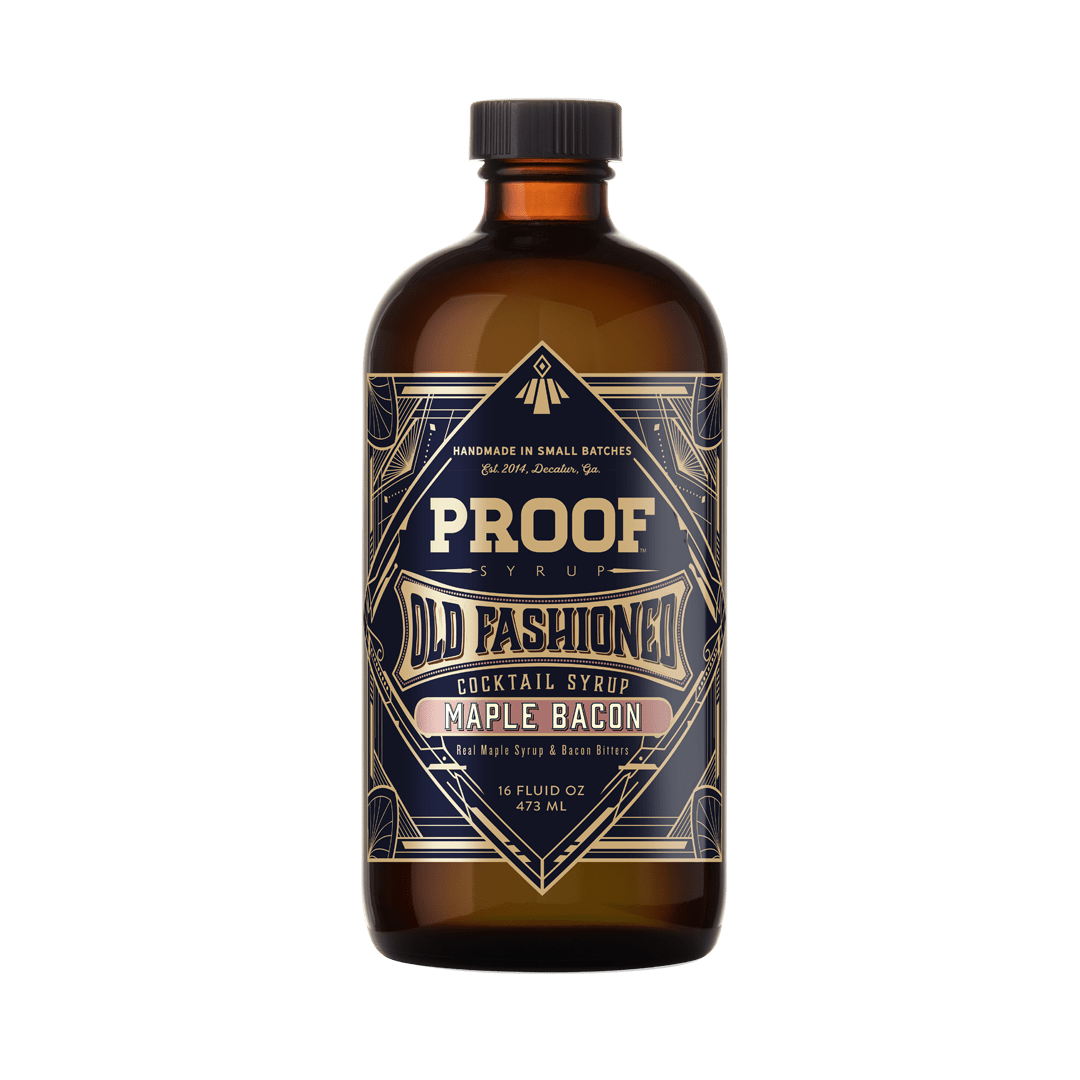
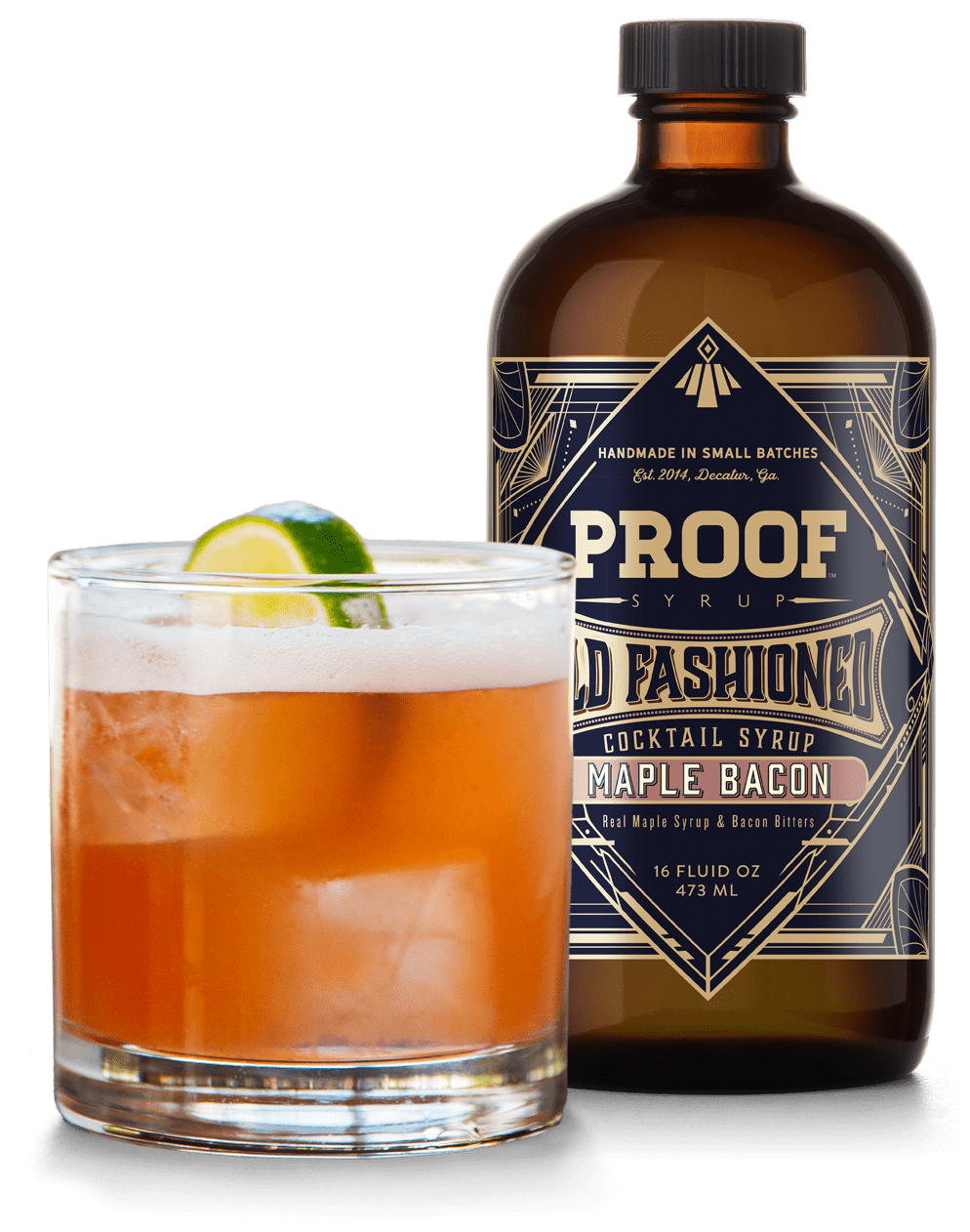
Proof Syrup Maple Bacon is the most unexpected version here and one of the most satisfying. The smoky-sweet quality finds a counterpart in rye's dry spice. Garnish with a slice of candied bacon if you want to commit to the profile.
Black Walnut Whiskey Sour
Proof Syrup Black Walnut adds nutty, earthy depth for drinkers who want something more complex. It holds up well against higher-proof bourbon.
Pecan Whiskey Sour
Swap in a pecan syrup and pair it with a wheated bourbon. The toasted, nutty sweetness softens the lemon's edge and makes the drink feel distinctly warm and Southern. Best for cold-weather entertaining and guests who lean sweeter.
Orange Whiskey Sour
An orange syrup doubles down on the citrus already in the drink, adding a warm, candied note that deepens the lemon rather than competing with it. Finish with an expressed orange peel. This is the most approachable variation on the list and a reliable pick for a mixed crowd.

Storing Your Syrup
Proof Syrup is made with fresh ingredients and no preservatives, so refrigerate it after opening and shake well before each use to remix anything that has settled. Unopened bottles are shelf-stable in a cool, dark place. Plan on about eight months from bottling for the best flavor. If you notice cloudiness, separation, or an off smell, replace the bottle.
Frequently Asked Questions
What is the best bourbon for a whiskey sour?
A mid-range bourbon between 80 and 100 proof with some sweetness and character. Buffalo Trace, Wild Turkey 101, and Evan Williams Single Barrel all balance well against citrus and sweetener.
Why does my whiskey sour taste too sour?
Either too much lemon juice or not enough sweetener. Start with equal parts lemon and syrup at 3/4 oz each and adjust from there. Also check that your bourbon is at least 80 proof, since lower-proof whiskey gets buried under the citrus.
How do I avoid a harsh whiskey sour?
Harshness usually comes from too little sweetener, under-dilution from insufficient shaking, or a whiskey that is too high in proof for the amount of citrus. Shake fully until the shaker is very cold, and stay in the 90 to 100 proof range.
Can I make whiskey sours for a group or in advance?
Yes. Multiply the recipe and combine the whiskey, lemon juice, and syrup in a pitcher, then refrigerate for up to four hours. Add egg white only at service, since it needs to be shaken fresh. Shake individual portions with ice as guests order, or pour over ice for a more casual approach.
Is there a non-alcoholic version?
A whiskey sour mocktail works well with a non-alcoholic whiskey-style spirit or a strong cold-brew tea as the base. Keep the same lemon and syrup ratios. Proof Syrup Traditional provides enough sweetness and body to hold the structure of the drink without the alcohol.
Why Proof Syrup Is a Home Bartender Favorite
Proof Syrup started in a cocktail bar in Decatur, Georgia, with the goal of simplifying classic drinks without losing quality. Every bottle is hand-mixed and cooked in small batches, blending organic cane sugar, citrus oils, bitters, and natural flavor oils into a ready-to-use mix. Beyond the syrups, Proof offers cocktail kits and sets, and subscriptions that keep your home bar stocked with free shipping on orders over $99.
The Drink Worth Getting Right
The whiskey sour has been around long enough to accumulate a lot of mediocre versions. Fresh lemon, correct ratios, good technique, and a sweetener that actually contributes something account for most of the difference between those and a great one.
Ready to start mixing? Shop the full range and pour a whiskey sour that speaks for itself.